Sustainable Lighting: Why Choose Wooden Fixtures for Eco-Friendly Homes
As awareness of environmental impact grows, more homeowners seek sustainable alternatives in every aspect of interior design. Lighting—essential to every room yet often overlooked in sustainability discussions—presents significant opportunities for eco-conscious choices. Wooden light fixtures emerge as compelling sustainable lighting solutions, combining environmental responsibility with aesthetic appeal and practical performance. This comprehensive guide explores why wooden lighting represents one of the most sustainable choices you can make for your home.
- Understanding Sustainable Lighting
- Why Wood Is the Sustainable Lighting Material
- Responsible Wood Sourcing and Certification
- Energy Efficiency in Wooden Lighting Design
- Reducing Transportation Environmental Impact
- Maintenance and Lifecycle Sustainability
- Biophilic Design and Psychological Sustainability
- Economic Sustainability of Wooden Lighting
- Comparing Wooden Fixtures to Alternatives
- Making Sustainable Wooden Lighting Choices
- The Future of Sustainable Lighting
- Creating Your Sustainable Lighting Plan
- Making Sustainable Choices Today
Understanding Sustainable Lighting
Sustainable lighting encompasses more than energy-efficient bulbs. True sustainability considers the entire lifecycle: raw material sourcing, manufacturing processes, transportation impacts, longevity and durability, energy consumption during use, and end-of-life disposal or recycling. Wooden lighting fixtures excel across multiple sustainability criteria, making them exceptionally eco-friendly choices.
The Environmental Cost of Traditional Lighting
Conventional lighting fixtures often rely on materials with significant environmental footprints. Metal fixtures require energy-intensive mining and refining processes. Plastic components derive from petroleum, contributing to fossil fuel dependence and creating waste that persists for centuries. Glass production demands high-temperature furnaces consuming substantial energy.
Beyond materials, many traditional fixtures follow planned obsolescence models—designed to require replacement within a few years as styles change or components fail. This disposability creates ongoing environmental burden through manufacturing, transportation, and landfill impacts.
Why Wood Is the Sustainable Lighting Material
Renewable Resource with Natural Carbon Storage
Wood stands apart as a genuinely renewable resource. Unlike finite metals, minerals, or petroleum-based plastics, trees regrow naturally when forests are managed responsibly. Sustainable forestry practices ensure harvest rates don’t exceed growth rates, maintaining forest ecosystems indefinitely.
Trees actively remove carbon dioxide from the atmosphere as they grow, storing carbon within their wood structure. This carbon remains sequestered throughout a wooden fixture’s lifetime. When you choose wooden pendant lights or other wooden fixtures, you’re essentially installing stored carbon in your home rather than releasing it into the atmosphere.
In contrast, metal production releases significant carbon emissions through mining, transportation, and energy-intensive refinement processes. Plastic manufacturing similarly depends on fossil fuel extraction and processing, contributing greenhouse gases at every stage.
Lower Energy Manufacturing Processes
Processing wood into lighting fixtures requires substantially less energy than manufacturing metal or plastic alternatives. Wood can be shaped, joined, and finished using traditional woodworking techniques that consume minimal electricity compared to metal forging, casting, or machining.
Many wooden fixture manufacturers employ hand-craftsmanship or small-scale production methods that minimize industrial energy consumption. Artisan production also supports local economies and traditional skills, adding social sustainability to environmental benefits.
Biodegradable and Non-Toxic
At end-of-life, wooden fixtures biodegrade naturally without releasing toxic substances into soil or water. This contrasts sharply with plastics that fragment into microplastics but never fully decompose, or metals that may contain harmful heavy metals requiring specialized disposal.
Even wood finishes have evolved toward sustainability. Modern water-based and natural oil finishes avoid the volatile organic compounds (VOCs) common in traditional lacquers and varnishes. These eco-friendly finishes maintain wood’s natural biodegradability while protecting surfaces and enhancing appearance.
Longevity and Timeless Design
Quality wooden light fixtures last for decades with minimal maintenance. Wood’s natural durability, combined with timeless design aesthetics, means wooden fixtures remain functional and stylish far longer than trend-driven alternatives.
This longevity dramatically reduces environmental impact over time. A wooden pendant light serving your home for 20-30 years eliminates the need for multiple replacements, avoiding repeated manufacturing, packaging, transportation, and disposal cycles. Fewer replacements mean less total resource consumption and waste generation.
Wood also ages beautifully. Patina development and minor wear add character rather than diminishing appeal, unlike plastics that yellow or metals that corrode. This graceful aging encourages keeping fixtures longer rather than replacing them for aesthetic reasons.
Responsible Wood Sourcing and Certification
FSC and PEFC Certification Standards
Not all wooden fixtures carry equal sustainability credentials. Look for products using wood certified by reputable organizations ensuring responsible forestry practices. The Forest Stewardship Council (FSC) and Programme for the Endorsement of Forest Certification (PEFC) maintain rigorous standards for sustainable forest management.
FSC certification guarantees wood comes from forests managed according to strict environmental, social, and economic standards. These forests maintain biodiversity, protect indigenous peoples’ rights, prevent illegal logging, and ensure harvest rates allow forest regeneration.
PEFC certification similarly verifies sustainable forest management practices, with emphasis on regional and national forestry standards. Both certifications provide assurance that your wooden lighting purchases support responsible forestry rather than deforestation.
Reclaimed and Recycled Wood
Even more sustainable than certified new wood: reclaimed wood salvaged from old buildings, furniture, or industrial applications. Reclaimed wood lighting fixtures eliminate need for new tree harvesting entirely while preventing usable material from entering landfills.
Reclaimed wood often features unique character—weathered patinas, nail holes, saw marks—that add authentic history and visual interest impossible to replicate in new materials. Each piece tells a story, making fixtures truly one-of-a-kind.
When selecting wooden lighting, inquire about wood sources. Reputable manufacturers readily share sourcing information, certification details, and commitment to responsible forestry practices.
Energy Efficiency in Wooden Lighting Design
LED Compatibility and Integration
All modern wooden pendant lights and fixtures are designed for LED bulb compatibility. LED technology represents the most energy-efficient lighting available, consuming up to 75% less energy than incandescent bulbs while lasting 25 times longer.
This compatibility means wooden fixtures support both material sustainability (renewable wood) and operational sustainability (efficient LEDs). The combination delivers comprehensive environmental benefits from manufacture through daily use.
Natural Light Diffusion Properties
Wood naturally diffuses and softens light, creating warm, even illumination without harsh glare or wasted light scatter. This efficient light distribution means you can achieve desired brightness with lower-wattage bulbs, reducing energy consumption further.
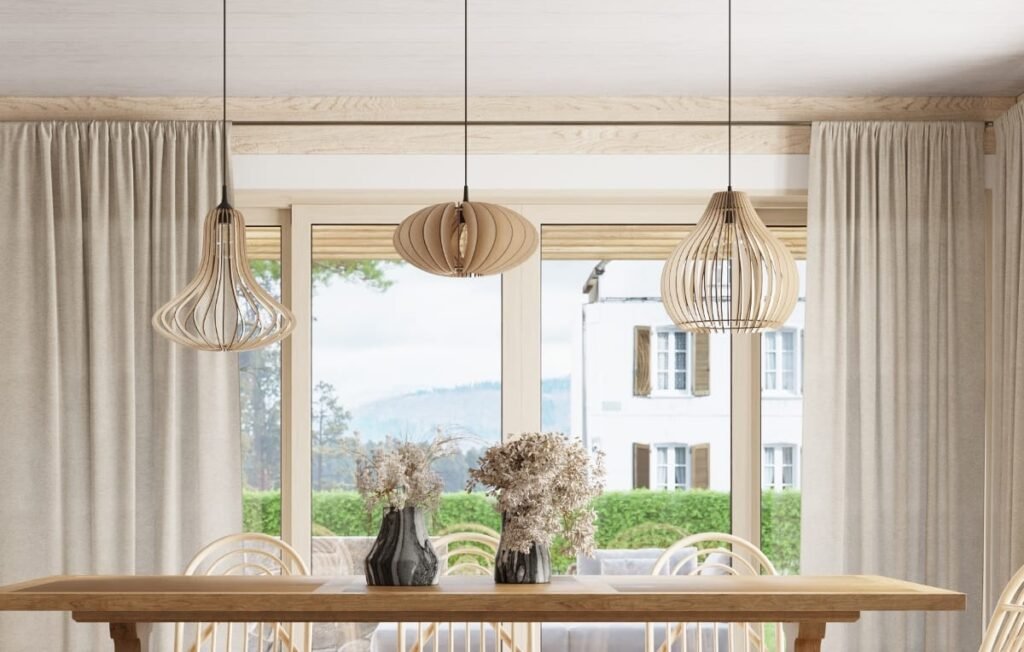
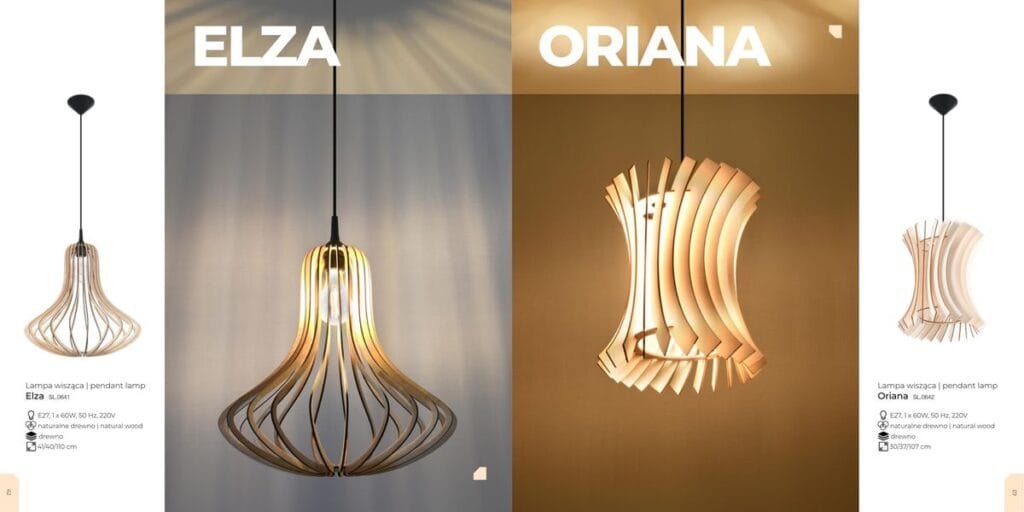
Wooden fixtures with slatted or perforated designs create interesting shadow patterns while allowing substantial light transmission. These designs maximize illumination efficiency—light escapes in multiple directions rather than being trapped within enclosed shades requiring brighter bulbs to compensate.
Thermal Properties and Safety
Wood’s natural insulation properties make it safer with LED bulbs than many alternatives. While LEDs generate minimal heat compared to older technologies, even small amounts accumulate in poorly designed fixtures. Wood dissipates heat gradually without becoming dangerously hot, extending bulb lifespan and maintaining safety.
Reducing Transportation Environmental Impact
Lighter Weight Shipping
Wooden lighting fixtures typically weigh less than equivalent metal designs, reducing transportation fuel consumption and associated emissions. This lighter weight advantage compounds over thousands of shipped units, creating measurable environmental benefits.
Less packaging material protects wooden fixtures during shipping compared to fragile glass or easily scratched metal alternatives. Reduced packaging means less waste generation and lower shipping volumes.
Supporting Local and Regional Production
Wood’s availability in most regions supports local manufacturing, dramatically reducing transportation distances. Locally produced wooden fixtures travel hundreds rather than thousands of miles, slashing carbon emissions associated with global shipping.
Choosing wooden lighting from regional manufacturers also supports local economies, maintains traditional craftsmanship skills, and reduces dependence on overseas mass production. These social sustainability benefits complement environmental advantages.
Maintenance and Lifecycle Sustainability
Minimal Maintenance Requirements
Quality wooden lighting fixtures require remarkably little maintenance. Regular dusting with soft cloths keeps them looking beautiful without specialty cleaning products or harsh chemicals. Natural wood finishes may benefit from occasional treatment with furniture oil or wax, but these natural products avoid toxic chemicals while enhancing wood’s inherent beauty.
This low-maintenance character reduces lifecycle environmental impact. No specialty cleaners to purchase, package, transport, and eventually dispose of. No frequent component replacements generating waste. Just simple, natural care that preserves fixtures for decades.
Repairability and Upgradability
Wooden fixtures offer superior repairability compared to plastic or complex metal alternatives. Damaged components can be replaced or repaired using basic woodworking techniques rather than requiring complete fixture replacement. This repairability extends useful life while reducing waste.
As lighting technology evolves, wooden fixtures easily accommodate upgrades. Swap old sockets for new ones, upgrade wiring to accommodate smart controls, or simply change bulb types as more efficient options emerge. The wooden structure remains relevant while internal components update to current standards.
Biophilic Design and Psychological Sustainability
Connection to Nature
Sustainability extends beyond environmental metrics to psychological wellbeing. Biophilic design—incorporating natural elements into built environments—demonstrably improves mental health, reduces stress, and enhances quality of life.
Wooden lighting brings nature directly into your home. Even small amounts of natural wood create measurable psychological benefits through subconscious connection to forests and natural environments. This connection to nature, present daily in something as functional as lighting, supports holistic sustainability that encompasses human wellbeing alongside environmental protection.
Creating Healthier Indoor Environments
Unlike plastics that off-gas volatile organic compounds or certain metals that may contain toxic elements, properly finished wood creates healthy indoor environments. Natural wood doesn’t contribute to indoor air quality problems, instead providing neutral or even slightly beneficial impacts through subtle aromatics in species like cedar or pine.
Wooden lighting fixtures also avoid the electromagnetic interference associated with some metal fixtures, though impacts remain debated. For those concerned about EMF exposure, wood provides neutral alternative that simply holds bulbs and wiring without introducing conductive materials throughout living spaces.
Economic Sustainability of Wooden Lighting
Long-Term Value Proposition
While quality wooden fixtures may cost more initially than cheap plastic or mass-produced metal alternatives, their longevity creates superior long-term value. A wooden pendant light serving your home for 25 years costs less per year than multiple cheap replacements over the same period.
This economic sustainability aligns personal financial interest with environmental responsibility. The most cost-effective choice—buying quality once—is also the most environmentally responsible choice. No conflict between budget consciousness and ecological awareness.
Supporting Sustainable Economies
Purchasing wooden lighting fixtures supports industries and craftspeople committed to sustainable practices. This economic support encourages continued investment in responsible forestry, maintains traditional skills, and demonstrates market demand for sustainable products.
Consumer choices shape production practices. By selecting wooden lighting, you signal that sustainability matters, encouraging more manufacturers to adopt responsible sourcing and production methods.
Comparing Wooden Fixtures to Alternatives
Wood vs. Metal Lighting
Metal fixtures require energy-intensive mining, refining, and manufacturing. While metal is technically recyclable, recycling processes consume substantial energy and not all metal fixtures are actually recycled at end-of-life. Metal production also generates toxic mining waste and habitat destruction.
Wood comes from renewable forests rather than finite mineral deposits. Processing requires less energy, and end-of-life disposal is simpler and less environmentally harmful. Wood also provides natural warmth that metal lacks, eliminating need for additional finishes or coatings.
Wood vs. Plastic Lighting
Plastic derives from petroleum, contributing to fossil fuel dependence and climate change. Manufacturing releases toxic chemicals, and disposal creates persistent waste—plastic never fully biodegrades, fragmenting into microplastics that contaminate ecosystems indefinitely.
Wood represents everything plastic isn’t: renewable rather than finite, biodegradable rather than persistent, natural rather than synthetic. While plastic may offer short-term cost advantages, wood provides superior long-term sustainability across all meaningful metrics.
Wood vs. Glass Lighting
Glass production requires extremely high temperatures, consuming substantial energy. While glass is recyclable, recycling still requires significant heat and energy. Glass is also fragile, often requiring replacement after accidental damage.
Wood offers similar transparency and light diffusion properties when used in slatted or perforated designs, with superior durability and lower production energy requirements. Wood and glass can also complement each other beautifully in hybrid designs combining both materials’ strengths.
Making Sustainable Wooden Lighting Choices
Questions to Ask Before Purchasing
When selecting wooden lighting, ask manufacturers about wood sourcing. Is wood certified FSC or PEFC? If reclaimed, what’s its origin? What finishes are used—are they water-based or natural oils? Where are fixtures manufactured? Supporting transparency encourages industry-wide improvements in sustainability practices.
Balancing Aesthetics and Sustainability
Fortunately, wooden lighting doesn’t require compromising aesthetics for sustainability. The same qualities that make wood environmentally responsible—natural beauty, warm tones, organic textures—also make it aesthetically appealing. Sustainable choice and beautiful design align perfectly in wooden lighting fixtures.
Planning for Longevity
Maximize sustainability by choosing timeless designs you’ll love for decades rather than trendy styles that quickly date. Classic wooden pendant lights with simple forms and quality construction remain relevant across changing design trends, ensuring you’ll keep them long-term rather than replacing for aesthetic reasons.
The Future of Sustainable Lighting
As environmental awareness increases, expect continued growth in sustainable lighting options. Wood will remain at the forefront as both traditional material reimagined for modern contexts and genuinely renewable resource suitable for large-scale sustainable production.
Innovation in wood processing, finishing, and fixture design will further enhance wooden lighting’s sustainability credentials. New techniques for working with smaller wood pieces reduce waste, while advances in natural finishes improve durability without environmental compromise.
Creating Your Sustainable Lighting Plan
Transitioning to sustainable wooden lighting doesn’t require complete replacement of existing fixtures immediately. Gradual replacement as fixtures fail or redecorating occurs allows budget-conscious transition while eventually achieving comprehensive sustainability.
Prioritize high-use spaces—living rooms, kitchens, dining areas—where new fixtures deliver maximum impact. As you replace fixtures, choose quality wooden options designed for longevity rather than cheap alternatives requiring frequent replacement.
Combine wooden fixtures with LED bulbs, dimmer switches for optimal energy use, and smart controls that automatically adjust lighting based on occupancy and daylight availability. This comprehensive approach addresses both embodied sustainability (fixture materials) and operational sustainability (energy consumption).
Making Sustainable Choices Today
Choosing wooden lighting fixtures represents one of the most impactful sustainable design decisions you can make. Wood’s renewable nature, low embodied energy, longevity, biodegradability, and aesthetic appeal create comprehensive sustainability that few materials match.
Explore our collection of sustainable wooden pendant lights, wooden wall sconces, and wooden ceiling lights crafted from responsibly sourced materials. Each piece combines environmental responsibility with quality craftsmanship and timeless design, supporting your commitment to sustainable living without compromising on beauty or functionality.
Free UK delivery on orders over £60