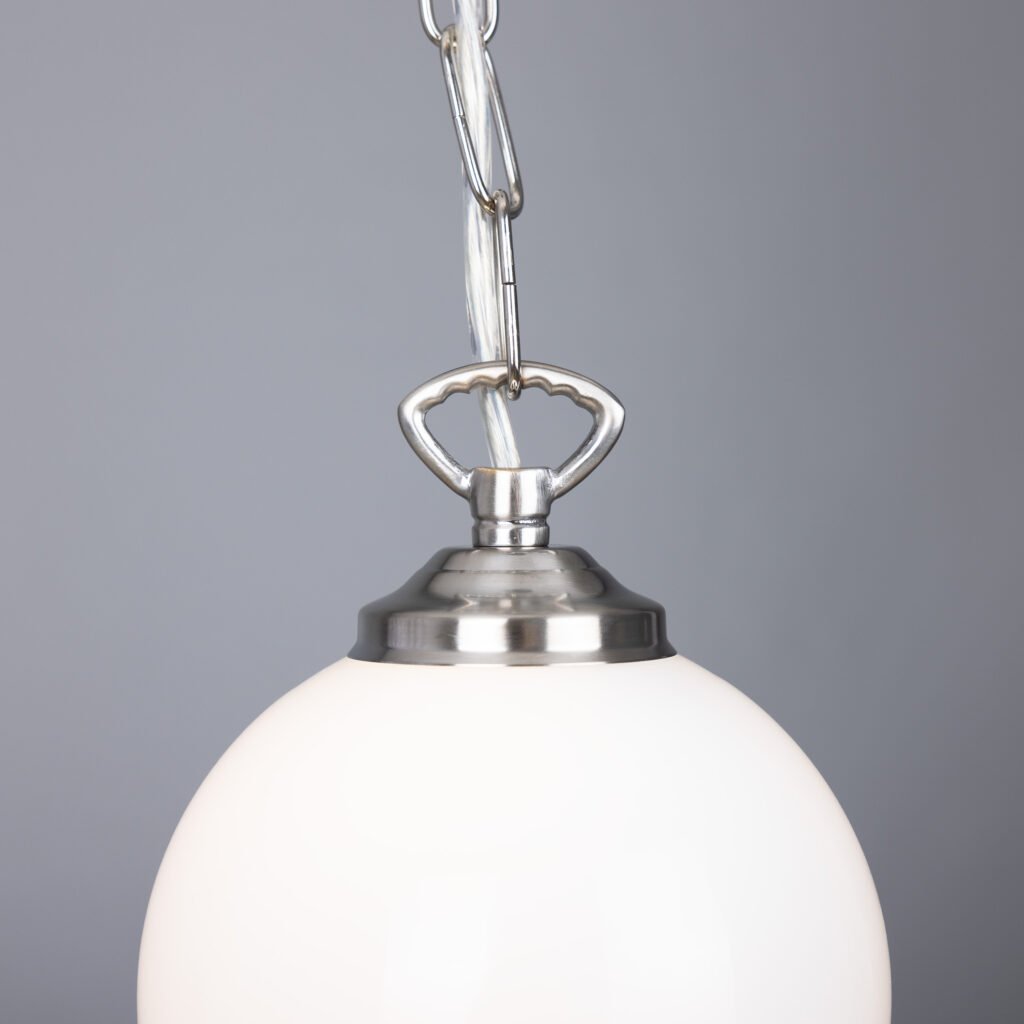
Your Complete Guide to Bathroom Lighting
Your bathroom works harder than any other room in the house. It’s where you rush through a morning routine at 7am and where you unwind in a hot bath at 9pm. Getting the lighting right transforms it from purely functional to genuinely enjoyable — but get it wrong and you’re stuck applying makeup in shadows or showering in a spotlight. This guide covers everything you need to plan bathroom lighting that actually works.
The Three Layers Every Bathroom Needs
Good bathroom lighting isn’t about finding one perfect fixture — it’s about combining three distinct layers that work together.
Ambient Lighting: Your Foundation
This is your overall room illumination, the light that lets you navigate safely at 3am without tripping over the bathmat. Flush ceiling fittings or pendants work brilliantly here. The key: make them dimmable. Bright for morning showers, soft for evening baths.
Task Lighting: Where It Really Matters
Lighting with a specific job — illuminating your face clearly for shaving, makeup, or skincare. The golden rule: position lights on either side of your mirror at face height, not above it. Side-mounted wall sconces eliminate the unflattering shadows that make you look tired even when you’re not. If side mounting isn’t possible, a well-positioned LED mirror above the basin works well, but flanking sconces remain the better solution.
Accent Lighting: The Luxury Touch
This is your mood-setter. A pendant over a freestanding bath, under-cabinet lighting, or illuminated shelving adds warmth and character. It’s the difference between a bathroom that feels clinical and one that feels considered. Not essential, but worth planning for if you’re creating a space you’ll actually enjoy spending time in.
Choosing the Right Fixtures
Pendant Lights Over Freestanding Baths
A pendant above a freestanding bath is one of the most impactful statements you can make in a bathroom. It adds drama, frames the bath as a focal point, and provides softer, more directional light than a ceiling fitting. All pendants used above baths must carry IP65 rating as a minimum — this is a Zone 1 location.
Choose from handmade solid brass pendants that develop natural patina over time, handblown glass pendants in opal, holophane or clear finishes, or hand-glazed ceramic pendants for artisan warmth. Sizes from compact 20cm schoolhouse designs to statement 40cm+ pieces suit different ceiling heights and bath sizes.
Browse: Brass Bathroom Pendants | Glass Bathroom Pendants | Ceramic Bathroom Pendants
Ceiling Lights for General Illumination
For ambient coverage, a ceiling fitting positioned centrally provides even illumination throughout the room. In smaller bathrooms a single well-chosen flush fitting is often all that’s needed. In larger bathrooms, consider two ceiling lights or a ceiling fitting combined with wall lighting for proper layered coverage.
Ceiling fittings for Zone 1 (directly above a bath or shower) require IP65. For the general bathroom ceiling away from the shower, IP44 is the minimum requirement. Both ratings are readily available across brass, glass and contemporary finishes.
Wall Lights for Mirror and Vanity Areas
Wall sconces flanking a bathroom mirror provide the most flattering and functional task lighting available. Position at face height — roughly 150-160cm from floor — on either side of the mirror, spacing them at shoulder width apart. This eliminates the shadows created by ceiling-only lighting and gives even illumination across your face.
Solid brass wall lights develop natural patina while handling bathroom humidity without corrosion. Glass wall sconces in opal or holophane finishes soften and diffuse the light beautifully. All bathroom wall lights should carry IP44 as a minimum; IP65 if positioned near the shower.
Browse: Brass Bathroom Wall Sconces | Glass Bathroom Wall Sconces
LED Mirrors and Vanity Lights
LED backlit mirrors combine the mirror and task lighting in a single fitting — a practical solution when wall space is limited or a cleaner look is preferred. Features to look for include integrated demister pads (essential for steamy bathrooms), touch-controlled brightness, and adjustable colour temperature. A good LED mirror paired with flanking wall sconces gives the most complete vanity lighting available.
Browse: Vanity Lights & LED Mirrors
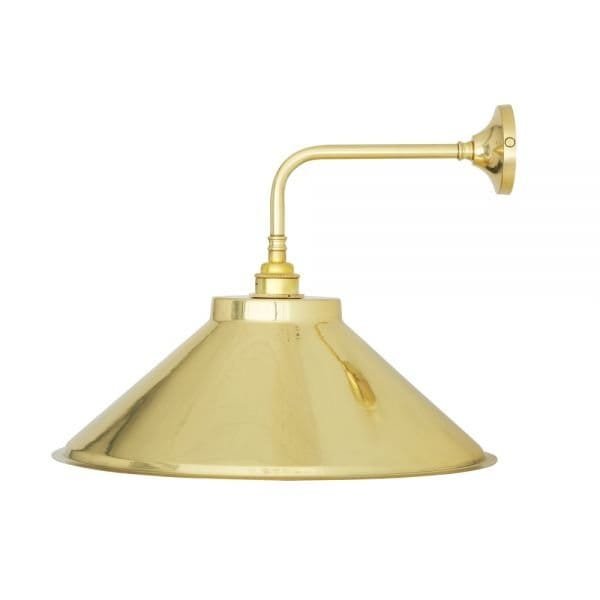
Brass Bathroom Wall Lights
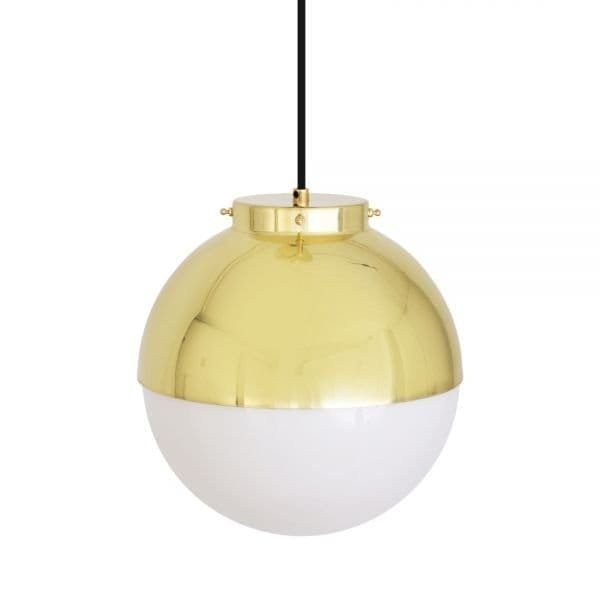
Glass Bathroom Pendants
Matching Your Style
Traditional Bathrooms
Brass or bronze fixtures with period detailing — sconces with glass shades, dome pendants, gooseneck wall lights — suit Victorian, Edwardian and traditional bathroom schemes. Antique brass develops a warm, lived-in patina that improves with age. Look for IP-rated versions of classic designs; you don’t need to compromise on safety for authenticity.
Contemporary Bathrooms
Clean architectural lines, matte black fittings, and minimal ornamentation suit modern bathroom schemes. Opal glass pendants, geometric wall sconces, and frameless LED mirrors work well. Concrete and ceramic pendant shades add tactile warmth to otherwise minimal spaces.
Nautical and Coastal Themes
Industrial-style pendants, weathered brass, and fittings with maritime details bring coastal character indoors. IP65 brass cage pendants work particularly well here — functional in appearance, robust in construction, and genuinely at home in a wet environment.
Contemporary-Traditional Mix
Most real homes live here. Blend classic shapes with updated finishes — traditional sconce forms in contemporary brushed brass, or Edwardian-inspired pendants with modern opal glass. The combination gives character without feeling pastiche.
Sizing Your Lighting
Getting the scale right makes a significant difference to how a bathroom feels.
Small bathrooms (under 5m²): One ceiling fitting plus one or two wall sconces by the mirror is usually sufficient. Choose fixtures that punch above their weight — a well-designed 25cm pendant or flush fitting illuminates a compact space effectively without overwhelming it.
Medium bathrooms (5–10m²): Room to layer properly. A ceiling fitting for ambient light, wall sconces flanking the mirror for task lighting, and optionally a pendant over a bath or accent lighting in alcoves.
Large bathrooms (10m²+): Multiple ceiling fittings for even coverage, dedicated vanity lighting, a statement pendant or chandelier if ceiling height allows, and separate lighting zones where possible. Dimmable circuits on each zone give maximum flexibility.
Ceiling height also matters. High ceilings (2.7m+) suit pendants that add drama without feeling impractical. Standard ceilings (2.4m) work better with flush or semi-flush fittings that don’t crowd the space.
Choosing the Right Bulbs
Why LED Makes Sense
Modern LED bulbs are the only sensible choice for bathroom lighting. They use 80–90% less energy than old incandescent bulbs, last 15–25 years under typical bathroom use, are available in any colour temperature, and include dimmable options across the range. Instant full brightness with no warm-up time is an underrated advantage in a morning rush.
Colour Temperature
This is where most people go wrong. Bathroom lighting needs careful consideration:
2700K (Warm White): Cosy and relaxing, but can make skin tones look slightly yellow. Good for accent lighting and evening ambiance.
3000K (Soft White): The sweet spot for most bathrooms — warm enough to be flattering, clear enough for daily tasks. Our recommendation for general bathroom lighting.
4000K (Natural White): Crisp and accurate, excellent for makeup application and detailed grooming. Can feel clinical if used throughout, but works well for dedicated task lighting.
5000K+ (Cool White): Too harsh for bathrooms — makes everyone look washed out. Avoid.
Dimmable Lighting
Cannot be stressed enough. Dimmable circuits give a bathroom genuine flexibility — full brightness for morning routines, softer light for evening baths. Install dimmers on at least the main ceiling circuit. Check that LED bulbs are marked as dimmable-compatible; not all are.
Five Mistakes Worth Avoiding
- One ceiling light and nothing else
This is the most common bathroom lighting mistake. A single overhead fitting casts shadows precisely where you need clear visibility — your face in the mirror. Always add wall-mounted task lighting. - Lights positioned above the mirror only
Overhead mirror lighting casts downward shadows that emphasise bags under the eyes and make grooming genuinely harder. Side-mounted sconces at face height are significantly better. - Choosing style over IP rating
A beautiful vintage sconce with no IP rating will corrode, fail early, or create a safety hazard in a bathroom. Always verify the IP rating before purchasing. The good news: quality IP-rated fixtures are available across every style. - Ignoring colour temperature
Cool white LEDs (5000K+) make everyone look washed out in bathroom mirrors. Stick to 3000K for flattering, functional light throughout. - Making nothing dimmable
Fixed-brightness lighting means the same intensity for a 7am Monday shower and a Friday evening bath. Dimmer switches cost little and add enormous day-to-day flexibility.
IP Ratings: The Short Version
UK bathrooms are divided into zones based on proximity to water, each requiring a minimum IP rating. Zone 1 (directly above baths and showers) requires IP65. Zone 2 (60cm around the bath, above basins) requires IP44. The rest of the bathroom permits IP20 but IP44 is recommended throughout for longevity.
For the full explanation with a zone diagram and current UK regulations, read our Bathroom Lighting Zones Guide.
Browse by IP rating: IP44 Bathroom Lighting | IP65 Bathroom Lighting
Browse the Full Collection
Frequently Asked Questions
What are the three layers of bathroom lighting?
Ambient lighting (ceiling fittings for overall illumination), task lighting (wall sconces beside mirrors for grooming), and accent lighting (pendants over baths, under-cabinet LEDs, decorative features). Combining all three creates flexible, functional bathroom lighting that suits both morning routines and evening relaxation.
Should bathroom lights go above or beside the mirror?
Beside the mirror is far better. Wall sconces mounted at face height on either side eliminate the downward shadows created by overhead lighting, giving even, flattering illumination for grooming tasks. If side mounting isn’t possible, a well-specified LED mirror provides a good all-round lighting, good for make-up.
What colour temperature is best for bathroom lighting?
3000K (soft white) works well for most bathrooms — warm enough to be flattering but clear enough for tasks. Avoid 5000K+ cool white which makes skin tones look washed out. 4000K suits dedicated task lighting positions where colour accuracy matters most.
How many lights does a bathroom need?
Small bathrooms (under 5m²): one ceiling fitting plus two wall sconces. Medium bathrooms (5–10m²): a ceiling fitting, vanity lighting, and optional accent. Large bathrooms (10m²+): multiple ceiling fittings, dedicated vanity lighting, and accent features throughout. Always layer ambient, task, and accent.
Should bathroom lights be dimmable?
Yes. Dimmers let you adjust from full brightness for morning routines to soft light for evening baths. Install dimmers on at least the main ceiling circuit and check that LED bulbs are marked as dimmable-compatible.
Can I install bathroom lighting myself?
In the UK, bathroom electrical work is regulated under Part P Building Regulations. Use a registered electrician or notify Building Control before starting work. We strongly recommend a qualified electrician for all bathroom lighting installations.
What IP rating do I need for bathroom lights?
Zone 1 (above bath/shower) needs IP65 minimum. Zone 2 (60cm around bath/shower, above basins) needs IP44. The rest of the bathroom permits IP20 but IP44 is recommended throughout. Read the full Bathroom Lighting Zones Guide for a zone diagram and detailed regulations.
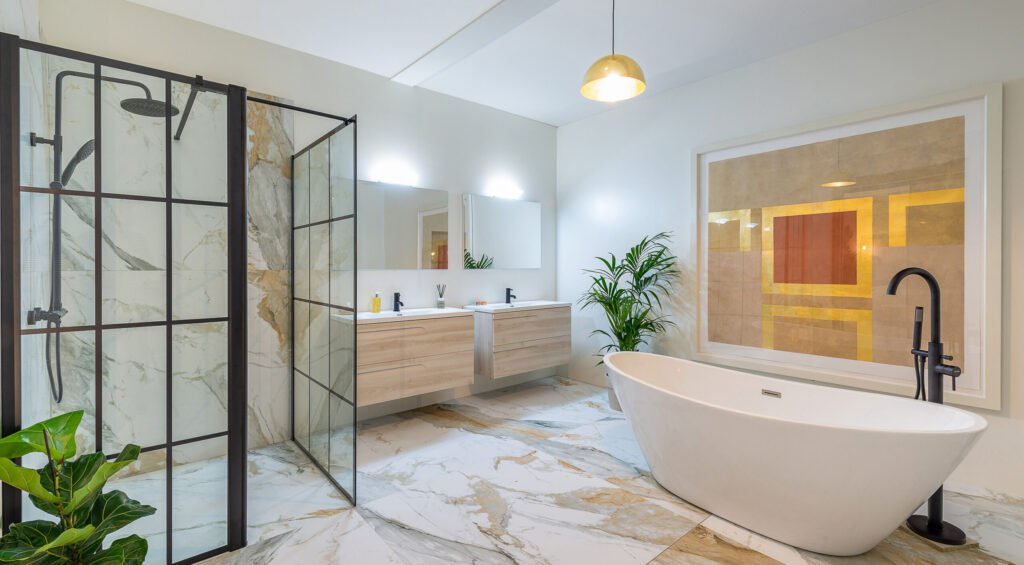
Bathroom Lighting Ideas