Hallway Lighting Guide: Transform Your Entrance with Quality Fixtures
This guide covers everything you need to illuminate your hallway beautifully and practically, from avoiding common mistakes to selecting fixtures that complement your home’s style.
Your hallway is more than a passageway—it’s the first impression of your home and a frequently used space deserving thoughtful lighting design. Yet hallways present unique challenges: often windowless corridors with awkward dimensions, low ceilings, and competing needs for both safety and style.
At Great Lighting, we specialise in hallway lighting that addresses these challenges with quality European-crafted fixtures from Mullan Lighting (Ireland) and Sollux (Poland). Rather than mass-produced imports, our collection focuses on fixtures built to last decades, not years—solid brass that develops character, hand-glazed ceramics with unique finishes, and quality materials that justify the investment.
- Understanding Hallway Lighting Challenges
- Three Critical Hallway Lighting Mistakes to Avoid
- Types of Hallway Light Fixtures
- Hallway Lighting by Space Type
- Technical Guidance: Lumens, Colour Temperature, and Bulbs
- Hallway Lighting Design by Style
- Maximising Limited Natural Light
- Installation and Electrical Planning
- Maintenance and Care
- Budget Considerations
- Sustainable and Energy-Efficient Choices
- Frequently Asked Questions
- Conclusion: Creating Your Perfect Hallway
Understanding Hallway Lighting Challenges
Why Hallways Are Difficult to Light
Unlike other rooms with defined functions and natural light sources, hallways present specific obstacles:
Limited natural light: Most hallways lack windows, requiring artificial lighting throughout the day.
Narrow dimensions: Confined spaces amplify poor lighting choices—fixtures that work elsewhere can overwhelm tight corridors.
Low ceilings: Standard ceiling heights (2.4m) limit fixture options, ruling out many pendant lights and chandeliers.
Variable lengths: Long hallways require multiple fixtures whilst short entrances need careful scaling.
Multiple doorways: Interruptions in wall space complicate fixture placement and electrical planning.
Safety requirements: Hallways contain stairs, changes in level, and high foot traffic demanding reliable illumination.
The Impact of Poor Hallway Lighting
Inadequate hallway lighting creates real problems beyond aesthetics:
- Safety hazards: Dark corners, shadows on stairs, and insufficient illumination increase trip and fall risks
- Unwelcoming atmosphere: Gloomy hallways make poor first impressions on guests
- Functionality issues: Difficulty navigating, finding keys, or checking appearance before leaving
- Property value: Badly lit hallways detract from your home’s overall appeal
Conversely, well-designed hallway lighting enhances security, creates welcoming entrances, improves daily functionality, and adds genuine value to your property.
Three Critical Hallway Lighting Mistakes to Avoid
1. Insufficient Illumination: The Dark Corridor Problem
The mistake: Relying on a single central ceiling light that creates harsh shadows, leaves corners dark, and produces an unwelcoming tunnel effect.
This is the most common hallway lighting error. One pendant or flush mount positioned centrally might seem adequate, but it fails to distribute light evenly. The result: bright spots directly beneath the fixture with dark corners and shadowy walls.
The solution: Layered lighting
Create comprehensive illumination by combining multiple light sources:
Ambient lighting: Multiple ceiling fixtures spaced evenly along the hallway provide base illumination. For long corridors, position ceiling lights every 1.8-2.4 metres. This ensures consistent coverage without dark patches.
Wall lighting: Add wall sconces at eye level (1.5-1.8m from floor) to supplement ceiling fixtures. Wall lights eliminate shadows, add warmth, and create depth.
Accent lighting: Consider subtle floor-level lighting or picture lights to highlight artwork and architectural features.
Our hallway ceiling lights collection includes flush and semi-flush designs suitable for standard ceiling heights, available in brass, ceramic, glass, and contemporary finishes from Mullan and Sollux.
2. Wrong Fixture Scale and Ceiling Height Mismatch
The mistake: Installing oversized pendants in low-ceilinged hallways or undersized flush mounts in grand entrances with high ceilings.
A stunning chandelier in a showroom might look perfect, but hallway proportions differ dramatically from retail displays. Oversized fixtures in low-ceilinged corridors create cramped feelings and pose head-bump hazards. Conversely, tiny fixtures in spacious entrances with high ceilings look insignificant and fail to provide adequate light.
The solution: Match fixtures to ceiling height
Standard/low ceilings (2.4m or less): Choose flush or semi-flush ceiling lights that mount close to the ceiling. These fixtures provide excellent illumination without protruding into walkways. Mullan’s brass flush mounts and Sollux’s contemporary ceramic designs both offer style without sacrificing clearance.
Higher ceilings (2.6m+): Consider semi-flush mounts or compact pendant lights that add visual interest whilst maintaining appropriate clearance. Hang pendants no lower than 2.1m from floor level to ensure headroom.
Grand entrances (3m+ ceilings): Statement chandeliers or substantial pendant clusters work beautifully in double-height hallways. These dramatic fixtures suit the scale whilst providing necessary illumination.
Width considerations: Narrow hallways (under 1.2m wide) benefit from compact fixtures that don’t visually overwhelm. Wider hallways and entrance halls can accommodate larger, bolder designs.
3. Poor Fixture Placement Creating Uneven Lighting
The mistake: Haphazard positioning that creates pools of light and darkness, unflattering shadows, or glare.
Incorrect spacing between multiple ceiling lights leaves dark patches. Wall sconces positioned too high illuminate ceilings instead of hallways. Fixtures placed without considering door swings, artwork, or furniture create awkward shadows and obstruct pathways.
The solution: Strategic positioning
Ceiling fixture spacing: Space multiple ceiling lights evenly along hallway length. Calculate total hallway length, divide by desired number of fixtures, and position accordingly. For example: 6-metre hallway ÷ 3 fixtures = 2-metre spacing between fixtures.
Wall sconce positioning: Mount at consistent height (1.5-1.8m from floor) on both sides of hallway if width permits, or alternating sides in narrow corridors. Position sconces to flank doorways, frame artwork, or highlight architectural details.
Consider traffic patterns: Ensure fixtures don’t obstruct movement or interfere with door operation. In narrow hallways, position wall sconces slightly forward or back from door swings.
Test before final installation: Where possible, temporarily position fixtures or use painter’s tape to mark locations. View from multiple angles and times of day before permanent installation.
Types of Hallway Light Fixtures
Understanding fixture categories helps you select appropriate options for your specific hallway configuration.
Flush and Semi-Flush Ceiling Lights
Best for: Standard ceiling heights (2.4m), low ceilings, narrow hallways
Flush mounts sit directly against the ceiling with minimal or no drop, ideal for maintaining maximum headroom. Semi-flush mounts drop 10-20cm, providing slightly more architectural presence whilst remaining compact.
Advantages:
- Maximise headroom in low-ceilinged hallways
- Distribute light evenly without shadows
- Suit narrow corridors without visual overwhelm
- Available in traditional through contemporary styles
Mullan Lighting flush options: Solid brass flush mounts in antique, aged, and polished finishes suit period properties. Hand-glazed ceramic flush designs add artisan character whilst maintaining compact profiles.
Sollux flush options: Contemporary flush and semi-flush designs in clean-lined Scandinavian aesthetics. Modern materials and finishes suit minimalist and contemporary hallways.
Browse our complete flush ceiling lights collection covering both traditional and modern styles.
Pendant Lights and Chandeliers
Best for: Higher ceilings (2.6m+), entrance halls, grand hallways
Pendant lights suspended from the ceiling add both functional illumination and decorative impact. Single pendants suit compact spaces, whilst clusters or chandeliers work beautifully in larger entrance halls.
Minimum ceiling height: 2.6 metres for safe pendant installation with appropriate clearance
Pendant positioning: Hang bottom of shade no lower than 2.1m from floor to maintain comfortable headroom
Style options:
- Glass globes: Timeless schoolhouse and opal designs providing soft, diffused light
- Lantern pendants: Traditional cage designs in brass or black suitable for period properties
- Contemporary pendants: Clean-lined ceramic, concrete, or geometric designs from Sollux
- Mini chandeliers: Multi-arm fixtures adding elegance to entrance halls
Our hallway pendant collection includes compact options for standard ceilings and statement pieces for grander spaces.

Calix Holophane Flush Ceiling Light
Introducing the Calix Holophane
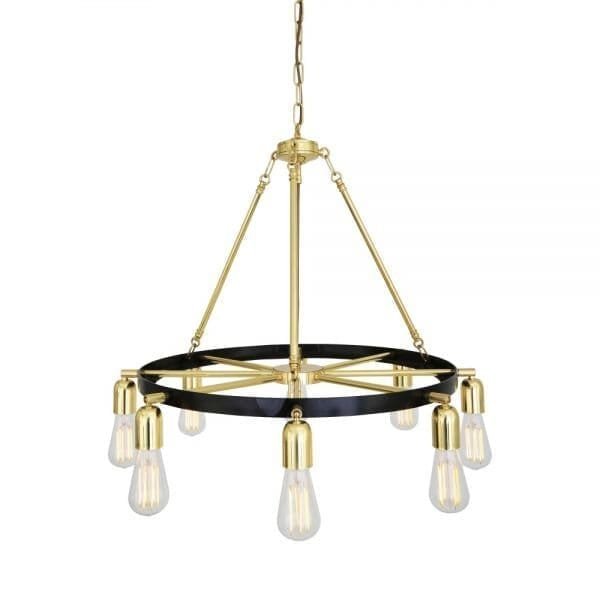
Duleek Chandelier
Wall Sconces and Brackets
Best for: All hallways, supplementing ceiling lights, highlighting artwork
Wall-mounted fixtures provide ambient lighting whilst adding warmth and sophistication. Position at eye level (1.5-1.8m) to create soft, flattering illumination.
Advantages:
- Add layered lighting depth
- Eliminate shadows from ceiling-only lighting
- Highlight architectural features and artwork
- Introduce decorative elements at eye level
Mounting options:
- Traditional sconces: Solid brass designs from Mullan in various period-appropriate styles
- Contemporary brackets: Clean-lined ceramic and glass designs from Sollux
- Swing-arm lamps: Adjustable fixtures offering directional lighting
- Uplighters: Create soft ambient glow washing up walls
Installation notes: Position sconces to avoid door swings. In narrow hallways, alternate sides or use single-sided placement. Ensure wiring accommodates intended positions during planning stage.
Browse our hallway wall lights collection featuring brass, ceramic, glass, and industrial designs.
Table Lamps for Console Tables
Best for: Entrance halls with furniture, wide hallways, creating ambient layers
Console or hallway tables provide opportunities for portable lighting that adds warmth and flexibility.
Advantages:
- Easily changed or updated
- Portable for seasonal rearrangement
- Add decorative impact beyond lighting function
- Supplement fixed lighting affordably
Selecting hallway table lamps:
- Scale appropriately: Lamp height (including shade) should be 50-65% of console table height
- Pair or single: Two matching lamps create symmetry, single lamps work in compact spaces
- Style coordination: Match or complement existing fixed lighting finishes
Our hallway table lamps collection includes ceramic, brass, and contemporary designs suitable for console and side tables.
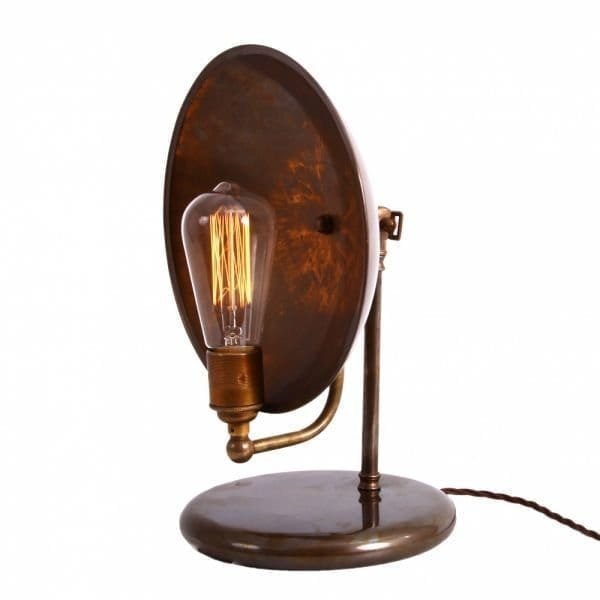
Chulainn Industrial Brass Dish Table Lamp
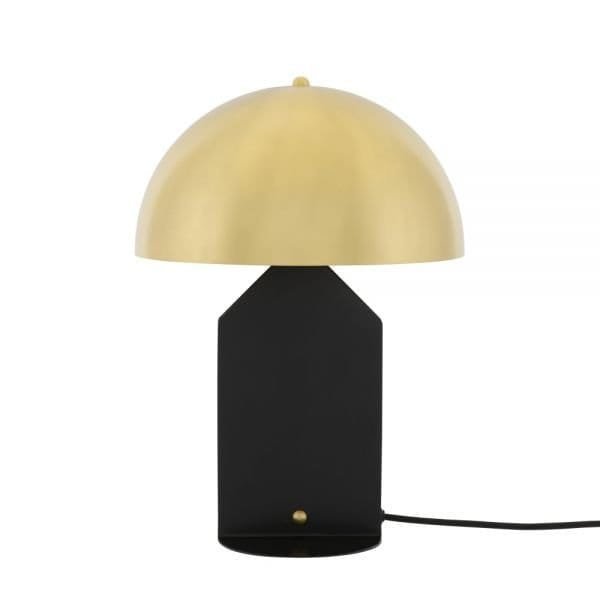
Pencil Brass Dome Table Lamp on Metal Stand
Hallway Lighting by Space Type
Different hallway configurations require tailored approaches.
Narrow Corridors
Challenge: Limited width (under 1.2m) makes space feel cramped. Wrong fixtures exacerbate confinement.
Solutions:
- Choose compact flush ceiling lights that don’t visually overwhelm
- Position wall sconces high and close to walls to maximise floor space
- Use light colours and reflective finishes to enhance brightness
- Consider linear LED strips for modern minimalist approach
Recommended fixtures: Small-diameter flush mounts (20-30cm), slim-profile wall sconces, single pendant (if ceiling height permits) rather than multiple fixtures
Long Hallways
Challenge: Extended length (3m+) requires multiple light sources whilst maintaining visual continuity.
Solutions:
- Space ceiling fixtures evenly every 1.8-2.4 metres
- Alternate wall sconces on opposite sides to create rhythm
- Use matching fixtures throughout for cohesion
- Position fixtures to highlight changes in direction or level
Recommended fixtures: Multiple coordinating flush or semi-flush ceiling lights, wall sconces in pairs or alternating, consistent finish throughout (brass, black, ceramic)
Entrance Halls with High Ceilings
Challenge: Double-height spaces (3m+ ceilings) need fixtures with appropriate scale and drama.
Solutions:
- Statement chandeliers or substantial pendant clusters
- Layer with wall sconces at normal height to maintain functionality
- Consider picture lights to highlight artwork at eye level
- Use dimmer switches to adjust atmosphere for different occasions
Recommended fixtures: Multi-arm chandeliers, oversized pendants, dramatic lantern lights, combined with traditional wall sconces for layered illumination
L-Shaped and Corner Hallways
Challenge: Changes in direction create dead corners and awkward lighting angles.
Solutions:
- Position fixtures specifically to illuminate corners and turns
- Add wall sconces at transition points
- Consider floor-level lighting at direction changes for safety
- Ensure consistent light levels throughout despite configuration
Recommended fixtures: Combination of ceiling and wall lighting, positioned strategically at corners and turns rather than evenly spaced
Hallways with Stairs
Challenge: Changes in level demand excellent visibility for safety alongside aesthetic considerations.
Solutions:
- Bright, shadow-free illumination on treads and landings
- Wall sconces positioned to highlight step edges without glare
- Multiple fixtures ensuring no dark patches
- Consider subtle step lighting for night-time safety
Safety note: Stairs require careful attention. Ensure fixtures provide clear visibility of all treads without creating glare or confusing shadows.

Agusta Chandelier, Five Globe
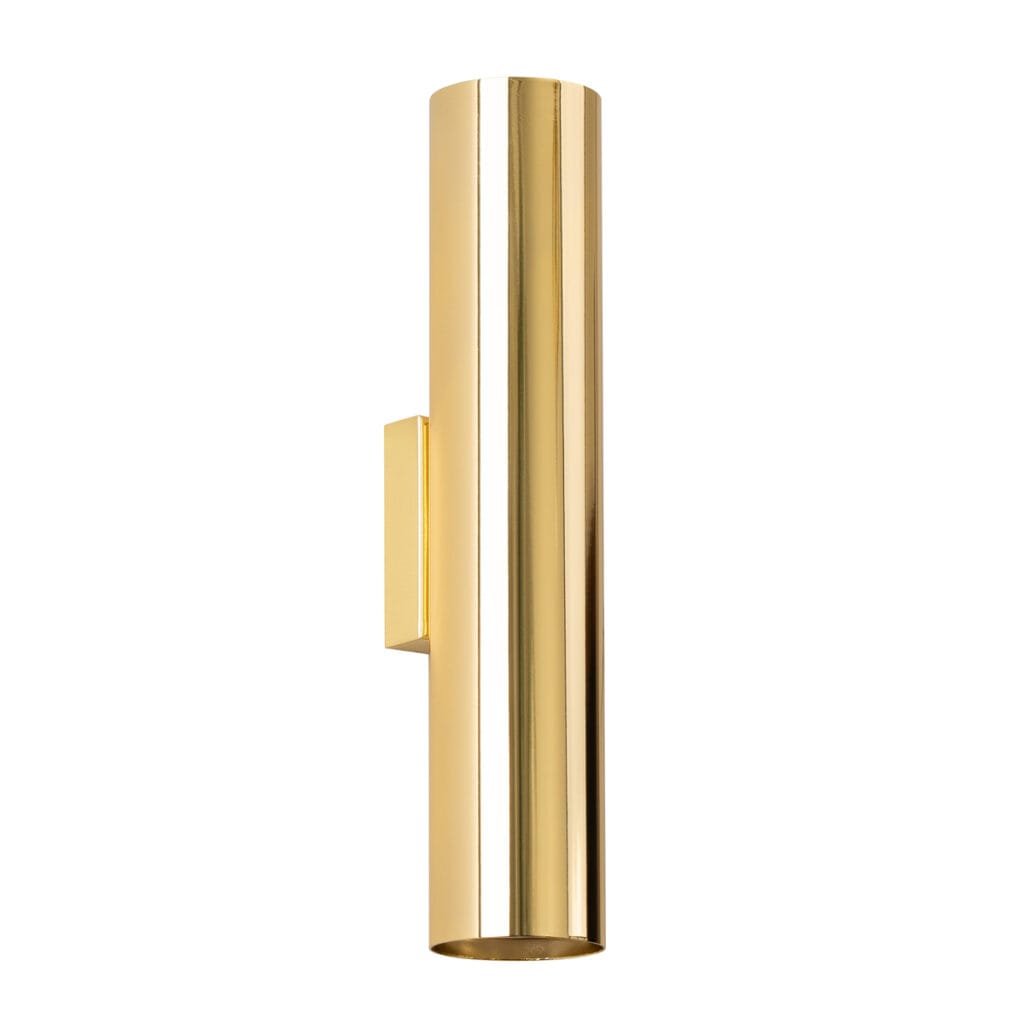
Wall Lamp Lagos Two Light Polished Gold
Technical Guidance: Lumens, Colour Temperature, and Bulbs
Understanding lighting specifications ensures your fixtures provide appropriate illumination.
How Many Lumens for Hallways?
Recommended range: 300-500 lumens per square metre for hallways
Calculation example: Hallway dimensions: 8m long × 1.2m wide = 9.6 square metres Recommended lumens: 9.6m² × 400 lumens = 3,840 total lumens
If using three ceiling fixtures: 3,840 ÷ 3 = 1,280 lumens per fixture
Practical guidance:
- Single flush mount for small hallway (4-6m²): 1,500-2,000 lumens
- Multiple ceiling lights for long hallway: 800-1,200 lumens each
- Wall sconces supplementing ceiling lights: 400-600 lumens each
- Table lamps on console: 400-800 lumens
Higher lumens for:
- Windowless hallways requiring daytime illumination
- Dark walls or flooring absorbing light
- Hallways with stairs requiring enhanced safety lighting
Lower lumens acceptable for:
- Hallways with natural light sources
- Light-coloured walls and ceilings reflecting light effectively
- Spaces where ambient glow desired over bright illumination
Colour Temperature Selection
Colour temperature dramatically affects hallway atmosphere.
2700K (Warm White): Traditional, cosy atmosphere. Pairs beautifully with brass fixtures, period properties, wooden features. Creates welcoming glow suitable for homes prioritising comfort over brightness.
3000K (Soft White): The sweet spot for most hallways. Warm enough to feel inviting, bright enough for safety and functionality. Works with any finish (brass, ceramic, black, chrome).
3500-4000K (Neutral/Cool White): Modern, crisp illumination. Suits contemporary homes with minimalist aesthetics. Provides excellent visibility for hallways with mirrors, artwork requiring true colour rendering.
Recommendation: For most residential hallways, 3000K provides ideal balance between warmth and brightness. Use warmer (2700K) in traditional homes or where cosy atmosphere priorities. Reserve cooler temperatures (3500K+) for ultra-modern properties or hallways doubling as gallery spaces.
LED Bulbs for Hallway Fixtures
All fixtures in our collection accommodate LED bulbs, offering efficiency, longevity, and quality light.
Advantages of LED:
- 75-80% more energy efficient than incandescent
- 15-25 year lifespan (versus 1-2 years for traditional bulbs)
- Minimal heat generation
- Instant full brightness (no warm-up period)
- Available in all colour temperatures
LED types for hallway fixtures:
Standard LED (Pearl): Most flush and semi-flush ceiling fixtures. Choose appropriate wattage for required lumens.
LED Filament: Decorative bulbs for pendants and exposed-bulb fixtures. Provide authentic vintage appearance with modern efficiency. Particularly attractive in glass globes, lantern pendants, cage fixtures.
Integrated LED fixtures: Some Sollux contemporary designs feature non-replaceable LEDs rated for 30,000+ hours. These eliminate bulb replacement but consider accessibility if fixture fails.
Dimmable LEDs: Invest in dimmable bulbs and compatible dimmer switches. Hallway lighting benefits significantly from adjustment capability—bright for mornings, dimmed for evenings.
Hallway Lighting Design by Style
Traditional and Period Properties
Characteristics: Period homes benefit from historically appropriate lighting that honours architecture whilst meeting modern functionality needs.
Fixture recommendations:
- Flush ceiling lights: Solid brass flush mounts in antique or aged finishes from Mullan Lighting. Hand-finished in Ireland with quality craftsmanship visible in details.
- Wall sconces: Traditional brass designs with glass shades. Vintage-style Edison bulbs in clear glass provide authentic period appeal.
- Pendant lights: (for higher ceilings) Lantern-style pendants, glass globe schoolhouse lights, Victorian-inspired designs
Finishes: Aged brass developing natural patina, antique brass with instant character, polished brass for Georgian or Victorian properties
Materials: Solid brass (never brass-plated zinc), hand-blown glass, quality metalwork with period-accurate detailing
Browse our traditional hallway lighting showcasing Mullan’s heritage Irish craftsmanship.
Contemporary and Modern Homes
Characteristics: Clean lines, minimal ornamentation, focus on form and function.
Fixture recommendations:
- Flush ceiling lights: Sollux contemporary designs in geometric forms, concrete finishes, clean-lined ceramics
- Wall sconces: Minimalist brackets, architectural designs, matte black or brushed steel finishes
- Pendant lights: Simple geometric forms, exposed bulb designs, industrial-inspired fixtures
Finishes: Matte black, brushed steel, white powder coat, natural concrete, clean ceramics
Materials: Quality steel, aluminium, concrete, ceramics with modern glazing techniques
Our modern hallway lighting collection features Sollux designs from Poland emphasising Scandinavian-influenced aesthetics.
Industrial and Urban Style
Characteristics: Raw materials, exposed hardware, factory-inspired aesthetics.
Fixture recommendations:
- Ceiling lights: Cage designs, bulkhead fixtures, exposed bulb pendants
- Wall sconces: Gooseneck/swan neck brackets, cage guards, vintage industrial switches
- Materials: Aged brass, matte black powder coat, galvanised steel
Finishing touches: Edison LED filament bulbs, visible electrical cables, authentic industrial detailing
Browse our industrial hallway lighting combining authentic factory aesthetics with residential appropriateness.
Coastal and Relaxed Interiors
Characteristics: Light, airy spaces with natural materials and soft colour palettes.
Fixture recommendations:
- Natural materials: Raffia-shaded wall sconces, ceramic fixtures in soft glazes, glass globes
- Finishes: Aged brass (develops coastal patina naturally), white ceramics, natural materials
- Styles: Relaxed traditional, nautical-inspired without cliché, clean-lined coastal
Our coastal-appropriate hallway lighting includes fixtures that suit seaside environments whilst avoiding overly themed styling.
Maximising Limited Natural Light
Strategic Mirror Placement
Mirrors multiply natural light sources effectively.
Positioning:
- Place large mirrors directly opposite windows or glass doors
- Position at hallway ends to reflect light throughout length
- Use mirror-backed wall sconces to amplify artificial lighting
- Consider full-length mirrors on doors maximising light reflection
Frame considerations: Light-coloured or metallic frames enhance brightness, dark frames suit moody interiors
Paint and Finish Choices
Wall and ceiling treatments dramatically affect perceived brightness.
Best practices:
- Walls: Light colours (white, cream, pale grey) reflect maximum light
- Ceilings: Always paint ceilings white to bounce light downward
- Trim: White or light-coloured skirting and door frames enhance brightness
- Flooring: Light timber or pale carpeting reflects more light than dark alternatives
Paint finishes:
- Matt: Reduces glare in very bright hallways
- Eggshell/Satin: Reflects more light whilst hiding imperfections
- Gloss: Maximum reflection but shows every wall imperfection
Glass Doors and Panels
Internal glazing introduces borrowed light from adjacent rooms.
Options:
- Glass-panelled internal doors allowing light transmission
- Transom windows above doorways borrowing light from lit rooms
- Sidelights flanking entrance doors introducing natural light
Installation and Electrical Planning
Working with Qualified Electricians
UK regulations: Part P Building Regulations require electrical work by registered competent persons or notification to Building Control.
Professional installation ensures:
- Compliance with current wiring regulations
- Appropriate circuit sizing and protection
- Safe installation of heavy fixtures
- Correct positioning and secure mounting
- Warranties remain valid
Plan ahead: Discuss fixture positions, switching arrangements, and dimmer requirements during planning stage. Moving electrical points after plastering adds significant expense.
Switching and Control Options
Standard switching: Two-way switching at hallway ends allows control from either end—essential for convenience and safety.
Dimmer switches: Install dimmers for ambient flexibility. Bright illumination for daytime functionality, dimmed for evening atmosphere.
Smart controls: Consider smart switches or bulbs allowing:
- Voice control via Alexa or Google Assistant
- Scheduled on/off for security when away
- Remote control via smartphone
- Integration with smart home systems
Motion sensors: Practical for busy households, automatically illuminating hallways when movement detected. Particularly useful near staircases for safety.
Fixture Weight and Mounting
Heavy fixtures (brass chandeliers, substantial pendants) require appropriate ceiling fixings.
Ceiling construction:
- Solid ceilings: Traditional fixings adequate for most flush mounts
- Plasterboard ceilings: Require cavity fixings or location of joists for heavy fixtures
- Suspended ceilings: May need additional support framework
Professional assessment: Electricians evaluate ceiling construction and specify appropriate fixings for fixture weight.
Maintenance and Care
Cleaning Different Finishes
Solid brass (unlacquered): Develops natural patina over time—this is a feature, not a fault. If you prefer maintaining brightness, gentle polish with brass cleaner restores original appearance. For daily cleaning, wipe with soft damp cloth.
Lacquered brass: Wipe with damp cloth only—polish damages protective lacquer. Lacquered finishes maintain appearance longer but cannot be refinished once worn.
Powder-coated metals: (Black, white, colours) Durable multi-layer finish resists kitchen grease and moisture. Clean with damp cloth and mild detergent. Avoid abrasive cleaners damaging finish.
Ceramics: Hand-glazed finishes wipe clean easily. Unique reactive glazes maintain appearance indefinitely. Use soft cloth with water or mild detergent.
Glass shades: Remove shades according to manufacturer instructions. Wash with warm soapy water, rinse thoroughly, dry completely before reinstallation.
Bulb Replacement
LED bulbs last 15-25 years, but eventual replacement becomes necessary.
Safety first:
- Always switch off power at consumer unit before bulb replacement
- Allow bulbs to cool completely (LED bulbs remain cool but fixtures may retain heat)
- Use appropriate step ladder ensuring stability
- Consider calling electrician for difficult-to-reach fixtures
Replacement bulbs: Note exact bulb type (E27, E14, GU10, etc.) and required specifications (lumens, colour temperature) before purchasing replacements. Maintain consistency for even lighting.
Budget Considerations
Investment in Quality
Hallway lighting represents long-term investment in your home. Quality fixtures from established manufacturers like Mullan and Sollux offer:
Longevity: Solid brass develops patina but lasts generations. Quality ceramics remain beautiful indefinitely. Cheap alternatives require replacement within years.
Materials: Genuine solid brass versus brass-plated zinc. Hand-glazed ceramics versus mass-produced alternatives. Superior powder coating versus thin paint finishes.
Electrical components: Quality lamp holders, secure wiring, proper safety certifications. Budget fixtures often feature substandard electrical components.
Aesthetics: Attention to detail, period-accurate styling, thoughtful design. Quality fixtures improve with age rather than deteriorating.
Cost-Effective Approaches
Phase installation: Install ceiling lights first for functionality, add wall sconces later as budget permits.
Mix investment pieces: Invest in quality statement fixtures (entrance chandelier, feature pendants) whilst using simpler flush mounts in secondary areas.
Consider long-term costs: Energy-efficient LED fixtures cost more initially but save substantially over fixture lifespan through reduced energy bills and eliminated bulb replacements.
Sustainable and Energy-Efficient Choices
LED Technology Benefits
Energy savings: LED fixtures use 75-80% less energy than equivalent incandescent lighting. For hallways lit many hours daily, this translates to significant savings.
Longevity: Quality LED bulbs last 15-25 years, eliminating frequent replacement waste and expense.
Environmental impact: Lower energy consumption reduces carbon footprint. LEDs contain no mercury or hazardous materials.
Quality of light: Modern LEDs provide excellent colour rendering and various colour temperatures suitable for all applications.
Sustainable Manufacturing
Our suppliers emphasise responsible manufacturing:
Mullan Lighting (Ireland): Hand-finished solid brass and ceramics. Local Irish manufacture supporting skilled craftspeople. Minimal packaging using recyclable materials.
Sollux (Poland): European manufacturing to higher environmental standards than Asian alternatives. Quality construction ensuring longevity reduces replacement waste.
Both manufacturers prioritise quality over disposability, creating fixtures designed to last decades rather than requiring replacement every few years.
Frequently Asked Questions
What type of Light do I need?
For standard houses with 2.4m ceiling height – Flush or semi flush, so as to not make the light dominate the space. For Larger halls or higher ceilings, use a pendant or chandelier.
Are your lights Guaranteed?
Yes, nearly all of our lights are warrantied against defective workmanship for 5 years. A few are covered for 2 years – these will be shown on the product page.
How do I clean Hallway lighting fixtures?
Matte black powder coat: Wipe with damp cloth, avoid abrasives. Brass/copper: Soft cloth wipe-down, polish occasionally if desired (unlacquered brass develops natural patina—this is normal). Enamel: Simply wipe clean, resistant to grease and staining. All finishes benefit from regular dusting to prevent buildup.
Can I use Nautical lights in my hall?
Yes of course; Our selection of lights within the category for Hallway lighting, is just that a suggestion, we have lots of styles throughout the site including Nautical Fixtures, so feel free to browse around.
What bulbs should I use in my hall?
For most residential hallways, 3000K provides ideal balance between warmth and brightness. Use warmer (2700K) in traditional homes or where cosy atmosphere priorities. Reserve cooler temperatures (3500K+) for ultra-modern properties or hallways doubling as gallery spaces.
Conclusion: Creating Your Perfect Hallway
Successful hallway lighting balances functionality, safety, aesthetics, and quality. By avoiding common mistakes, selecting appropriate fixtures for your specific hallway configuration, and investing in quality European-crafted lighting, you create an entrance that welcomes visitors, serves daily needs reliably, and adds genuine value to your home.
Whether your hallway is a narrow corridor requiring careful fixture selection or a grand entrance hall deserving statement lighting, our collection offers solutions emphasising quality over disposability, craftsmanship over mass production, and lasting value over short-term savings.
Browse our complete hallway lighting collection featuring:
- Flush and semi-flush ceiling lights for all ceiling heights
- Pendant lights and chandeliers for entrance halls
- Wall sconces in traditional and contemporary styles
- Table lamps for console and side tables
All fixtures accommodate modern LED bulbs, include proper UK certifications, and feature quality construction from established Irish and Polish manufacturers.
Need guidance? Our lighting specialists help you select appropriate fixtures, plan positioning and spacing, and ensure your hallway achieves optimal illumination.