The Complete Guide to Wooden Lighting for UK Homes
Scandinavian Design, Hygge Atmosphere & Sustainable Living
Wooden lighting transforms homes through natural warmth, timeless beauty, and environmental responsibility. This comprehensive guide covers everything you need to choose, style, and enjoy wooden lighting fixtures—from understanding Scandinavian hygge principles to selecting sustainable materials, styling different rooms, and making informed buying decisions for your UK home.
Whether you’re drawn to the cosy Danish concept of hygge, seeking eco-friendly alternatives, or simply love natural materials, wooden lighting offers solutions that combine aesthetic appeal with practical performance and environmental consciousness.
- Scandinavian Design, Hygge Atmosphere & Sustainable Living
- Why Choose Wooden Lighting?
- Types of Wooden Lighting Fixtures
- Understanding Wood Types and Finishes
- Creating Hygge Atmosphere with Wooden Lighting
- Styling Wooden Lighting: Practical Strategies
- Room-by-Room Wooden Lighting Guide
- Sollux: Quality Wooden Lighting for UK Homes
- Seasonal Lighting Adjustments
- Buying Guide: Choosing Quality Wooden Lighting
- Common Mistakes to Avoid
- Creating Your Wooden Lighting Journey
- Explore Our Wooden Lighting Collection
Why Choose Wooden Lighting?
Wooden lighting fixtures bring unique qualities that synthetic materials cannot replicate—natural warmth, organic texture, timeless appeal, and genuine sustainability. Understanding these benefits helps you appreciate why wooden lighting represents one of the best investments for your home.
Natural Warmth That Creates Hygge Atmosphere
The Danish concept of hygge (pronounced “hoo-gah”) centres on creating cosy, comfortable spaces that promote wellbeing and contentment. Wooden lighting is fundamental to achieving authentic hygge atmosphere through its inherent warmth and connection to nature.
Wood naturally diffuses and softens light, creating gentle illumination perfect for relaxation. Unlike harsh metal or plastic fixtures, wooden lights cast warm, enveloping glow that makes spaces feel intimate and inviting—essential qualities for hygge living.
Genuine Sustainability and Environmental Responsibility
Wood stands apart as a truly renewable resource. Unlike finite metals or petroleum-based plastics, trees regrow naturally when forests are managed responsibly. Quality wooden lighting fixtures also last decades, eliminating the waste cycle of disposable alternatives.
Sustainability advantages of wooden lighting:
- Carbon storage: Trees absorb CO2 as they grow; this carbon remains stored in wooden fixtures throughout their lifetime
- Lower manufacturing energy: Processing wood requires substantially less energy than metal refining or plastic production
- Biodegradable: At end-of-life, wood biodegrades naturally without toxic residue, unlike plastics that persist as microplastics
- FSC certification available: Look for Forest Stewardship Council certified wood ensuring responsible forestry practices
- Longevity: Quality wooden fixtures last 20-30+ years, dramatically reducing lifecycle environmental impact
When you choose wooden lighting, you’re installing stored carbon in your home rather than products demanding ongoing fossil fuel extraction and energy-intensive manufacturing.
Timeless Design That Ages Beautifully
Wooden lighting fixtures embody Scandinavian design principles: form follows function, natural materials celebrated, quality craftsmanship valued. These timeless aesthetics remain relevant across changing trends, ensuring fixtures you love today will still look beautiful decades from now.
Wood also ages gracefully. Natural patina development and subtle wear add character rather than diminishing appeal, unlike plastics that yellow or metals that corrode. This graceful aging encourages keeping fixtures longer—better for both your wallet and the environment.
Biophilic Connection Supporting Wellbeing
Biophilic design—incorporating natural elements into built environments—demonstrably improves mental health, reduces stress, and enhances quality of life. Wooden lighting brings nature directly into your home, creating measurable psychological benefits through subconscious connection to forests and natural environments.
Even small amounts of natural wood create these benefits. Your wooden pendant lights or wall sconces provide daily nature connection, supporting holistic wellbeing alongside their functional purpose.
Types of Wooden Lighting Fixtures
Wooden Pendant Lights
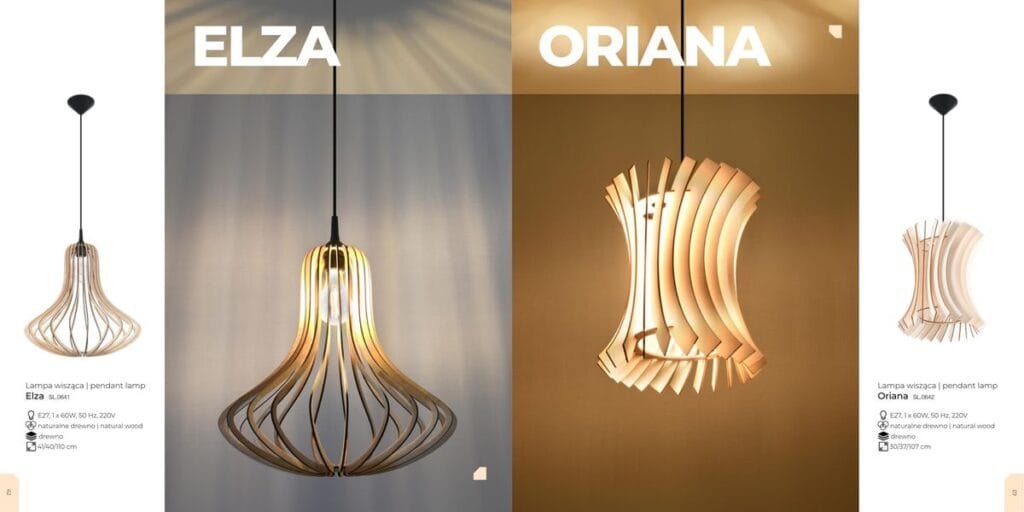
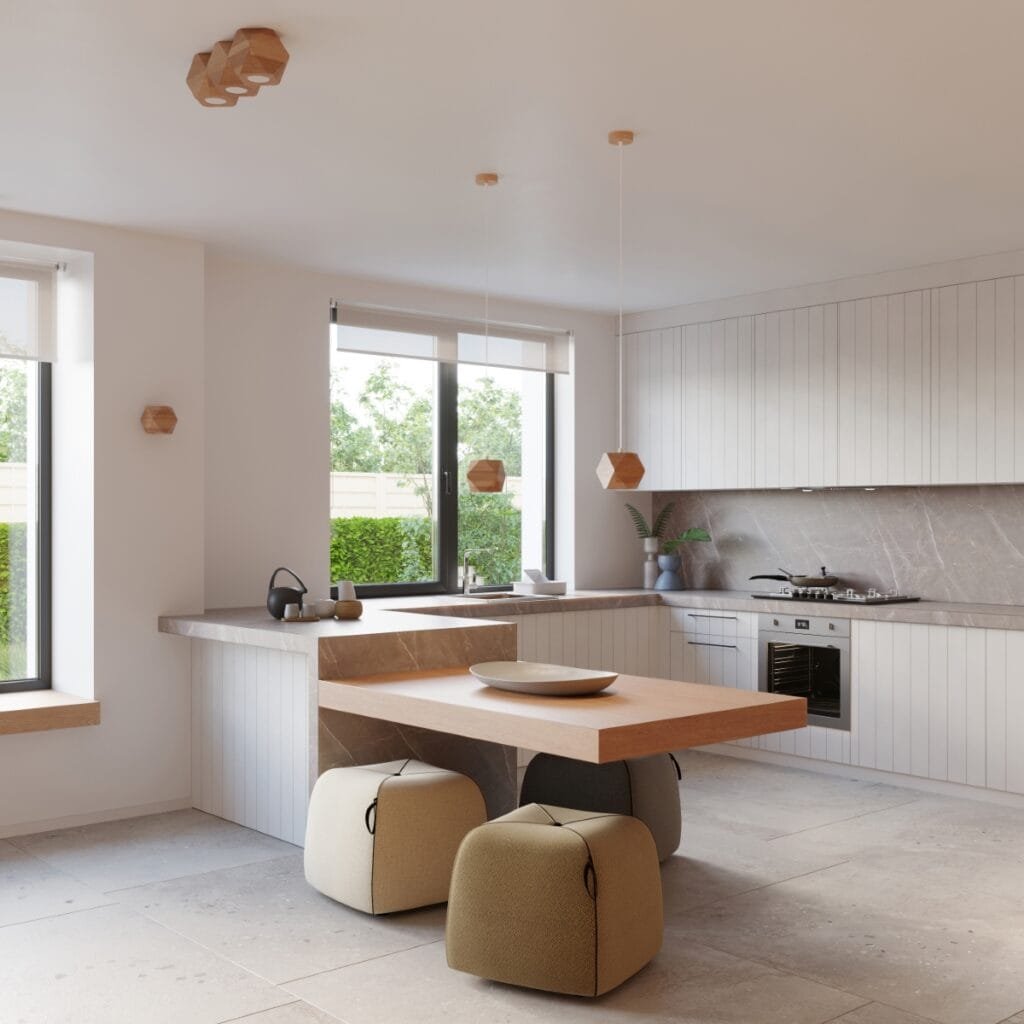
Wooden pendant lights hang from ceilings, providing ambient or task lighting while serving as sculptural focal points. Available in styles from minimalist Scandinavian designs to statement pieces featuring intricate wooden details.
Best applications:
- Kitchen islands: Multiple pendants spaced 60-70cm apart illuminate work surfaces whilst adding natural warmth
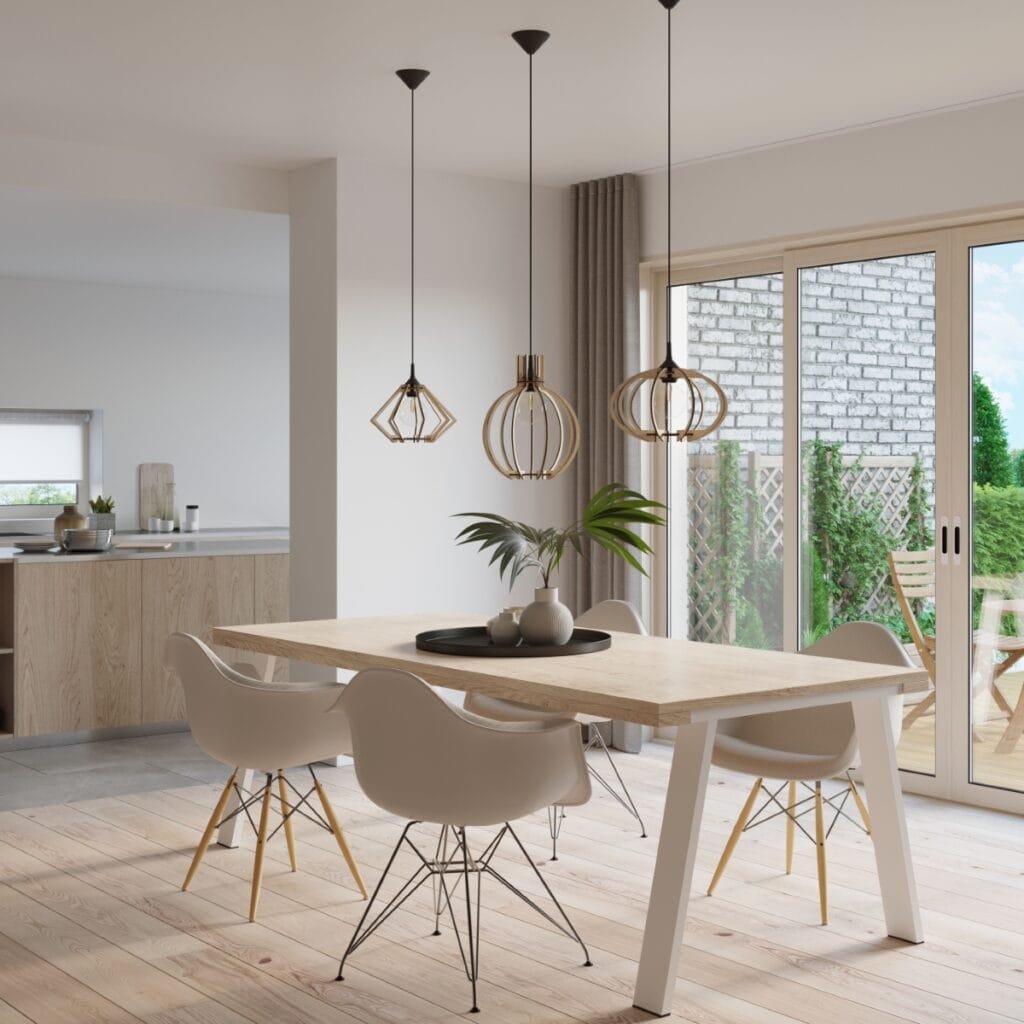
- Dining tables: Statement pendants hung 75-80cm above tables create intimate atmosphere for meals and conversation
- Living room ambient lighting: Large wooden pendants provide general illumination with hygge warmth
- Bedroom reading areas: Bedside pendants free nightstand space whilst providing adjustable light
Wooden Ceiling Lights
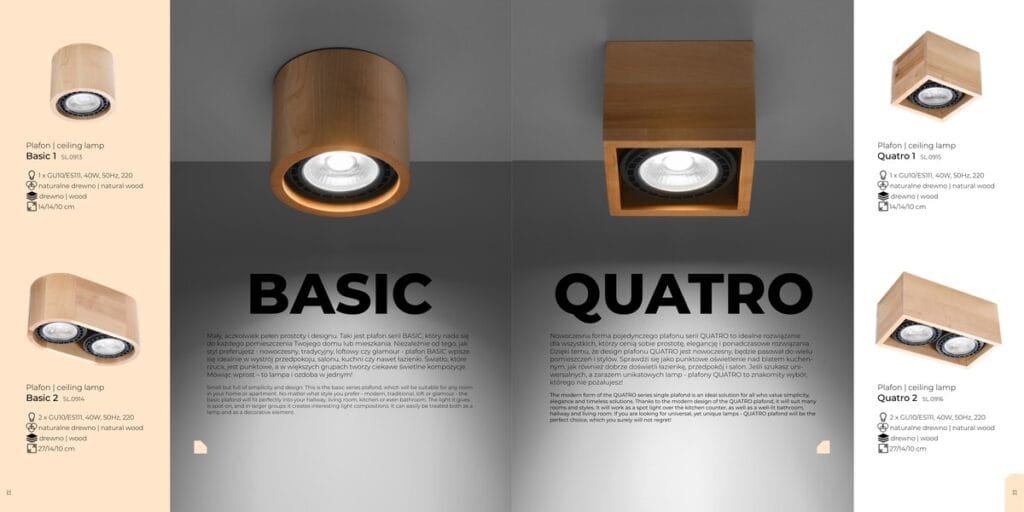
Wooden ceiling lights include flush-mount and semi-flush designs that sit close to ceilings—ideal for rooms with lower ceiling heights or where pendant drops would feel cramped.
Perfect for:
- Hallways and corridors with standard ceiling heights
- Bedrooms requiring soft ambient lighting
- Bathrooms needing moisture-resistant fixtures
- Spaces where you want wooden warmth without pendant drops
Wooden Wall Lights
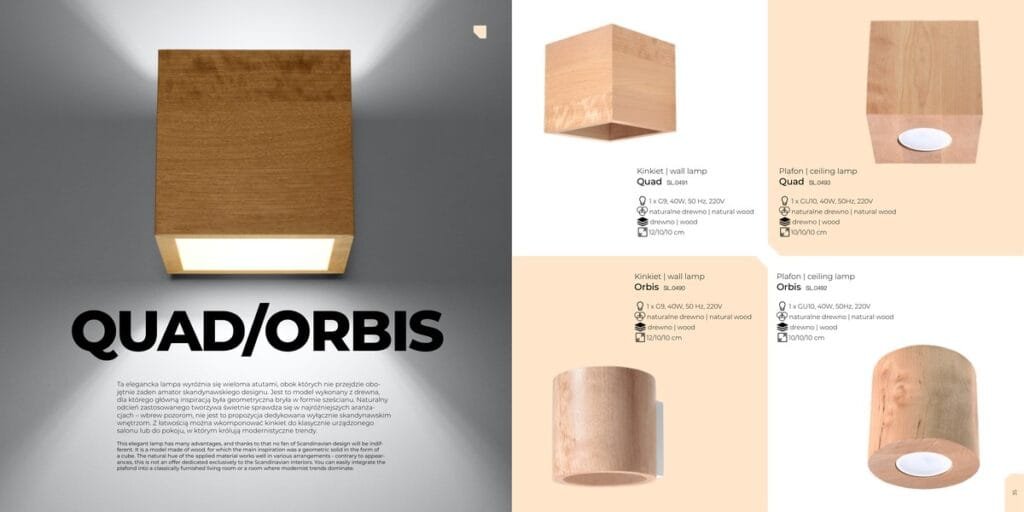
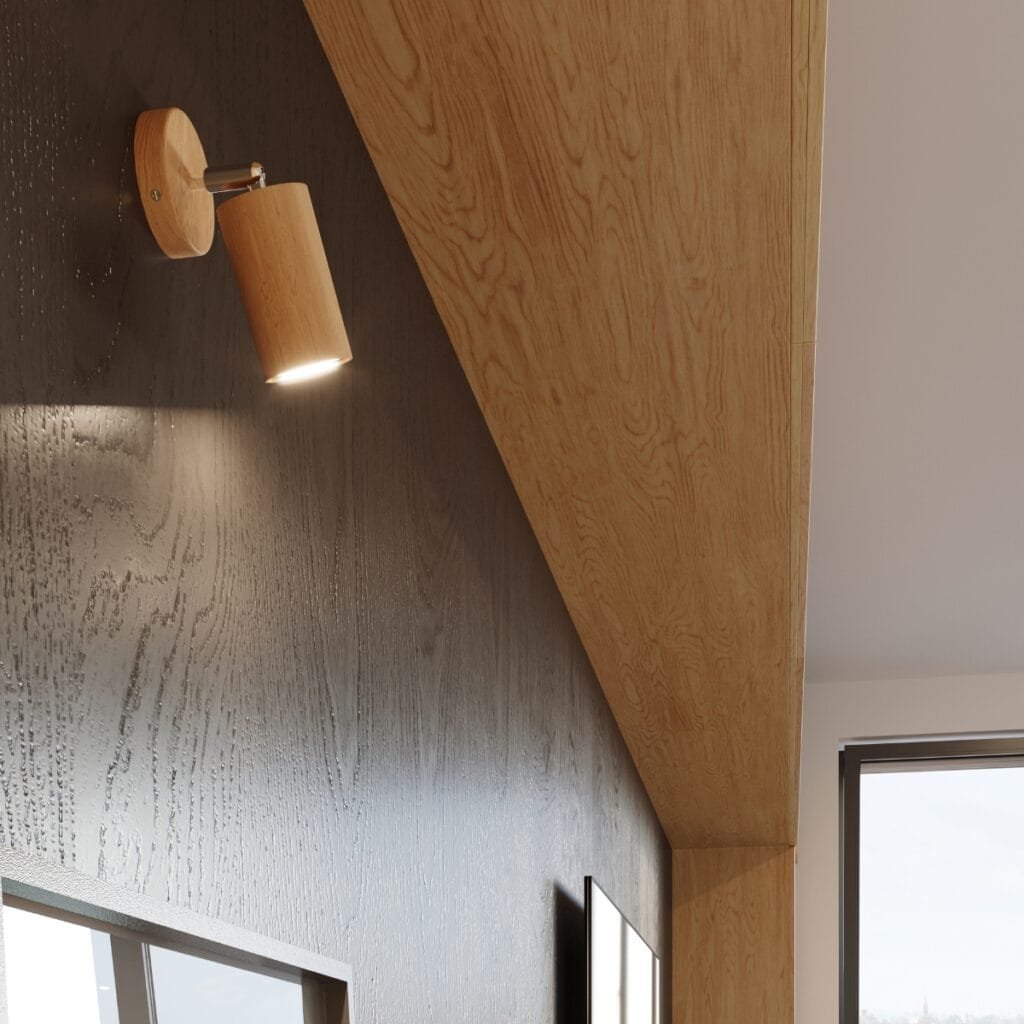
Wooden wall lights (sconces) mount on walls at eye level, creating intimate pools of light whilst highlighting architectural features and providing layered illumination essential to hygge design.
Strategic placement:
- Flanking mirrors or artwork: Symmetrical placement creates balanced, flattering light
- Beside sofas: Mounted at 150-160cm height for reading and conversation lighting
- Along hallways: Spaced 2-3 metres apart for safe navigation and welcoming atmosphere
- Bedside lighting: Frees nightstand space whilst providing adjustable reading light
Wooden Track Lights
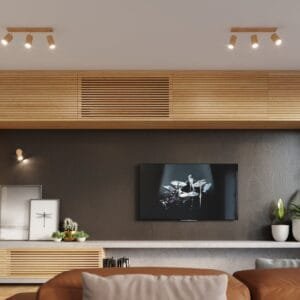
Wooden track lighting combines natural material warmth with flexible, adjustable illumination—perfect for art displays, highlighting features, or creating adaptable lighting schemes.
Modern applications:
- Home galleries and art collections requiring adjustable spotlights
- Open-plan spaces needing flexible zone lighting
- Kitchens where adjustable task lighting proves beneficial
- Contemporary homes seeking Scandinavian minimalism with functionality
Understanding Wood Types and Finishes
Popular Woods for Lighting Fixtures
Oak: Medium to dark honey tones with prominent grain. Exceptionally durable and ages beautifully. Classic choice for traditional and contemporary designs alike.
Birch: Light, pale wood with subtle grain. Epitomizes Scandinavian aesthetic with clean, minimalist appeal. Reflects more light due to pale colour.
Walnut: Rich, dark chocolate browns with dramatic grain patterns. Adds sophisticated warmth and works beautifully in modern interiors.
Beech: Pale pinkish-brown with fine, even grain. Excellent for Scandinavian designs requiring subtle warmth without strong grain patterns.
Ash: Light wood with prominent grain and slight grey undertones. Provides contemporary feel whilst maintaining natural warmth.
Natural vs Stained Finishes
Natural/clear finishes: Preserve wood’s inherent colour and grain, celebrating material authenticity central to Scandinavian design philosophy. Best for showcasing beautiful grain patterns and achieving light, airy Scandinavian aesthetics.
Stained finishes: Alter wood colour whilst maintaining grain visibility. Allow coordinating different wood species to similar tones or achieving specific colour palettes. Modern stains avoid toxic VOCs whilst providing excellent protection.
Painted wood: Completely covers natural grain—typically used for specific design effects. White or pale painted wood maintains Scandinavian lightness whilst providing uniform colour.
Sustainable Wood Sourcing
Look for FSC (Forest Stewardship Council) or PEFC (Programme for the Endorsement of Forest Certification) certified wood. These certifications guarantee:
- Responsible forest management preventing deforestation
- Protection of biodiversity and indigenous peoples’ rights
- Prevention of illegal logging
- Harvest rates allowing forest regeneration
- Fair labour practices and community support
Reclaimed wood represents even more sustainable choice—salvaged from old buildings, furniture, or industrial applications, preventing usable material entering landfills whilst eliminating need for new tree harvesting.
Creating Hygge Atmosphere with Wooden Lighting
Hygge lighting fundamentally differs from conventional approaches. Rather than flooding rooms with bright, uniform illumination, hygge embraces carefully curated atmospheres using warm, layered lighting that nurtures wellbeing and comfort.
The Three Pillars of Hygge Lighting
1. Warmth Over Brightness
Hygge prioritizes warm color temperatures (2200K-3000K) and lower light levels over bright, cool illumination. Multiple dim sources create cumulative warmth more effectively than single bright fixtures. Wooden lighting’s natural amber tones enhance this warmth beautifully.
Recommended color temperatures:
- Living areas: 2500K-2700K for intimate, inviting atmospheres
- Bedrooms: 2200K-2700K supporting natural sleep cycles
- Kitchens: 2700K-3000K balancing visibility with warmth
- Bathrooms: 2700K-3000K (3000K for task lighting, 2700K ambient)
Avoid anything above 3000K in residential spaces—cooler temperatures destroy hygge atmosphere instantly, creating clinical rather than cozy environments.
2. Layered Flexibility
Hygge spaces feature three to five light sources per room, each adjustable and serving specific purposes. This layering provides flexibility to adapt lighting throughout the day whilst maintaining consistent warmth.
Four-layer approach:
- Layer 1 – Ambient foundation: Wooden ceiling fixtures or pendants provide baseline illumination
- Layer 2 – Mid-level warmth: Wooden wall sconces at eye level add dimension
- Layer 3 – Task specificity: Wooden table/floor lamps for reading and activities
- Layer 4 – Accent atmosphere: Candles and small accent lights create hygge magic
Install dimmer switches on every fixture for maximum flexibility. Morning brightness energizes; evening dimming encourages relaxation.
3. Natural Materials
Wooden lighting fixtures embody this pillar perfectly—natural material providing inherent warmth whilst connecting interiors to nature. Pair wooden lights with linen curtains, wool throws, and cotton cushions for cohesive natural material palettes.
The Irreplaceable Role of Candles
No hygge lighting scheme is complete without candles. Real flames provide unmatched warmth, movement, and psychological comfort that electric lighting cannot fully replicate. Danes burn more candles per capita than any other nation, recognizing their unique contribution.
Cluster candles on coffee tables, mantels, dining tables, and bathroom counters. Mix heights and sizes for visual interest. This combination of wooden electric lighting plus abundant candles creates authentic hygge atmosphere.
Styling Wooden Lighting: Practical Strategies
Mixing Wood Tones for Depth and Interest
Many people worry about mixing different wood tones, fearing rooms will appear mismatched. The truth? Mixing woods adds richness and authenticity. Spaces with only one wood tone often feel flat and overly coordinated.
Guidelines for successful mixing:
- Choose a dominant tone: Select one wood tone for primary fixtures—this becomes your anchor
- Vary in lightness or warmth: Add secondary wooden lighting in complementary tones. Medium oak pendants + darker walnut sconces + lighter birch table lamps creates balanced variety
- Balance warm and cool undertones: Oak, teak, pine have warm golden/reddish tones; ash, maple, birch lean cooler with grey undertones. Mix both for dynamic schemes
- Distribute throughout space: Don’t cluster similar tones—spread them across the room for even visual interest
Mixing wood with other materials: Combine wooden fixtures with metal accents (brass, copper, matte black), glass elements, or ceramic pieces. Wood + brass creates warm-on-warm layering; wood + matte black offers striking contemporary contrast.
Defining Zones in Open-Plan Spaces
Wooden lighting elegantly defines distinct areas within flowing open-plan layouts without physical walls.
Kitchen-dining zone definition: Install matching wooden pendants above your kitchen island establishing the cooking zone, then switch to a different style—perhaps larger statement wooden pendant—above dining table. Change in lighting style signals functional transition.
Living-working separation: Position focused wooden desk lamps in home office zones, contrasting with softer ambient wooden floor lamps in relaxation areas. Lighting style and intensity subconsciously signal functional separation.
Conversation areas: Wooden floor lamp beside reading chair + wooden wall sconces flanking sofa create cozy pockets within larger spaces. These pools of light naturally draw people to gather.
Highlighting Architectural Features
Emphasizing ceiling height: In rooms with high ceilings, dramatic wooden pendants with long drops draw eyes upward, creating grandeur. In standard-height rooms, flush or semi-flush wooden ceiling lights enhance without overwhelming.
Showcasing exposed beams: Wooden lighting and exposed wooden beams create powerful design partnerships. Position pendants to hang between beams, using beams to frame fixtures. Consider wood tones that complement rather than exactly match beams.
Framing openings: Use wooden wall sconces to frame doorways, windows, or archways. Symmetrically placed sconces create formal balance; asymmetric placement adds contemporary edge.
Coordinating with Natural Elements
Pairing with living plants: Indoor plants and wooden lighting form natural partnerships. Position wooden pendants above plant displays to highlight greenery whilst reinforcing biophilic design principles.
Natural textiles integration: Wooden lighting complements linen curtains, wool throws, cotton cushions, jute rugs. These materials share similar colour palettes and tactile qualities, creating unified sensory experiences avoiding synthetic coldness.
Stone and wood combinations: Wood’s warmth balances stone’s coolness beautifully. Wooden pendants above stone countertops in kitchens or wooden sconces alongside stone tile in bathrooms create authentic Scandinavian material dialogue.
Room-by-Room Wooden Lighting Guide
Living Room: Mastering Hygge Layers
Living rooms deserve fullest hygge treatment as primary gathering spaces.
Complete lighting scheme:
- Ambient foundation: Wooden pendant light or semi-flush ceiling fixture providing baseline illumination. Choose substantial designs with soft, diffused light output.
- Mid-level warmth: Two wooden wall sconces flanking sofa or fireplace at 150-160cm height. Install on dimmers for flexibility.
- Task lighting: Wooden floor lamp beside reading chair with adjustable height/direction. Add wooden table lamp on end table for additional flexibility.
- Accent atmosphere: Candle displays on coffee table and mantel. Keep matches nearby so lighting becomes habitual evening routine.
This four-layer approach eliminates harsh shadows whilst creating enveloping warmth essential to hygge living rooms.
Kitchen: Balancing Function and Warmth
Kitchens require brighter task lighting than other spaces, but hygge principles still apply.
Two-system approach:
- Task system: Under-cabinet LED strips (3000K) for counter illumination during food preparation
- Ambient system: Wooden pendant lights above island (2700K) for ambient lighting during casual dining and gathering
Separate controls allow bright task lighting when cooking whilst maintaining hygge atmosphere during social time. Install dimmers on pendants so kitchen transitions from bright workspace to intimate gathering area.
Pendant placement: Space 60-70cm apart above islands, hanging 75-80cm from work surface for optimal illumination without head interference.
Dining Room: Creating Intimate Atmosphere
Dining areas center on statement wooden pendant lights serving as both functional illumination and sculptural focal points.
Primary fixture: Center substantial wooden pendant above table, hung 75-80cm from surface. Install on dimmer—bright for casual daytime meals, deeply dimmed for dinner parties creating romantic ambiance.
Supplementary lighting: Wooden wall sconces or sideboard lamps provide ambient lighting preventing dining area feeling isolated from adjacent spaces whilst maintaining distinct intimate character.
Essential addition: Candles on dining table—multiple sizes and heights create warm flickering light perfect for lingering conversations.
Bedroom: Serene Sanctuary
Bedrooms demand warmest, dimmest lighting of any space supporting natural sleep cycles.
Lighting strategy:
- Avoid bright overhead: If ceiling lighting exists, keep deeply dimmed and use sparingly
- Bedside lighting: Wooden wall sconces or pendant lights either side of bed for reading. Position to provide adequate light without glare when lying down
- Atmospheric accent: Small wooden table lamp on dresser for evening lighting
- Temperature crucial: Use 2200K-2700K exclusively—cooler temperatures interfere with sleep quality
Keep all bedroom lighting as dim as practically possible whilst supporting necessary activities. Warmth and low intensity signal body it’s time to relax.
Bathroom: Warm Minimalism
Bathrooms require adequate task lighting for grooming whilst benefiting from warm ambiance for relaxation.
Dual-system solution:
- Task lighting: Wooden wall sconces flanking mirror (3000K) for shadow-free grooming light
- Ambient lighting: Wooden ceiling fixture (2700K) for baths and general use
- Separate controls: Wire independently—use mirror lights during morning routines, ceiling lighting for evening relaxation
Ensure fixtures are rated for bathroom moisture exposure. Natural materials like wood handle humidity well when properly finished.

Sollux: Quality Wooden Lighting for UK Homes
Sollux manufactures exceptional wooden lighting fixtures combining Scandinavian design principles with sustainable practices and accessible pricing. Their range exemplifies why wooden lighting represents smart investment for UK homes.
Sollux Design Philosophy
Sollux embraces core Scandinavian values: functionality first, natural materials celebrated, clean forms without excessive ornamentation, and quality craftsmanship ensuring longevity. Each fixture serves clear purpose whilst maintaining aesthetic simplicity that remains relevant across decades.
Their wooden lighting collections feature:
- Natural wood showcased: Visible grain, warm finishes in oak, birch, and beech celebrating material authenticity
- Timeless designs: Simple forms avoiding trends, ensuring fixtures remain stylish for 20+ years
- LED compatibility: All fixtures designed for energy-efficient LED bulbs supporting operational sustainability
- Quality construction: Durable joinery and finishes designed for longevity rather than disposability
- Accessible pricing: Democratic design philosophy making beautiful, functional lighting available to everyone
Sollux Wooden Lighting Collections
Sollux offers comprehensive wooden lighting ranges covering every application:
Wooden Pendant Lights: From minimal single pendants perfect for compact spaces to dramatic multi-light designs suitable for large rooms. Options include geometric forms, organic shapes, and slatted designs casting interesting shadow patterns.
Wooden Ceiling Lights: Flush and semi-flush designs for standard ceiling heights. Natural wood tones softening overhead illumination whilst maintaining Scandinavian aesthetic.
Wooden Wall Lights: Sconces providing layered illumination at human height. Adjustable and fixed designs supporting both task and ambient lighting needs.
Wooden Track Lights: Contemporary track systems combining natural material warmth with flexible, adjustable illumination.
Sustainability Credentials
Sollux prioritizes responsible sourcing and manufacturing:
- Sustainably sourced wood from managed forests
- Water-based finishes avoiding harmful VOCs
- Energy-efficient LED-compatible designs
- Durable construction reducing replacement frequency
- Minimal packaging using recyclable materials
Browse the complete Sollux wooden lighting collection to explore options for your home.
Seasonal Lighting Adjustments
Winter Lighting Strategy
During dark UK winter months, hygge lighting becomes essential to combating seasonal affective disorder and maintaining psychological wellbeing.
Winter approach:
- Maximize natural daylight: Open curtains fully, position furniture to receive maximum light exposure
- Activate all layers: Use 4-5 light sources simultaneously in main rooms—ceiling fixtures, wall sconces, table lamps, and generous candles
- Earlier activation: Begin artificial lighting from mid-afternoon as natural light fades
- Warmest temperatures: Use 2200K-2500K during darkest months to combat cold and darkness
The cumulative effect of multiple warm wooden lighting sources creates enveloping warmth counteracting darkness outside. Don’t hesitate to use more light simultaneously during winter than summer.
Summer Lighting Adaptation
Extended summer daylight reduces artificial lighting needs dramatically.
Summer strategy:
- Rely on natural light: Use primarily natural light until evening darkness finally falls
- Fewer simultaneous sources: Where winter requires 4-5 fixtures, summer needs only 2-3
- Later activation: Delay artificial lighting until genuinely needed
- Outdoor transition: Use candles and lanterns rather than electric lighting in outdoor spaces during pleasant evenings
Summer hygge embraces brightness and openness rather than cocoon-like winter warmth. Keep lighting minimal and natural, allowing summer’s inherent brightness to dominate.
Buying Guide: Choosing Quality Wooden Lighting
Quality Markers to Look For
Construction quality:
- Visible joinery showing quality craftsmanship (dovetails, mortise-and-tenon)
- Smooth, even finishes without rough patches or drips
- Substantial weight indicating solid wood rather than veneer over cheap substrate
- Properly sealed electrical components meeting UK safety standards
Design longevity:
- Simple, timeless forms avoiding trendy details that quickly date
- Natural wood grain showcased rather than obscured
- Clean lines consistent with Scandinavian design principles
- Honest construction without unnecessary embellishment
Sustainability credentials:
- FSC or PEFC certification (ask if not displayed)
- Information about wood sourcing readily available
- Water-based or natural oil finishes avoiding toxic VOCs
- Manufacturer commitment to responsible practices
Scale and Proportion Considerations
Wooden fixtures must relate proportionally to room size and surrounding elements.
Pendant light sizing:
- Small rooms (<12m²): 20-30cm diameter pendants
- Medium rooms (12-20m²): 30-45cm diameter pendants
- Large rooms (>20m²): 45cm+ diameter pendants or clustered smaller fixtures
- Dining tables: Pendant width should be ½ to ⅔ of table width for balanced proportions
Ceiling height adjustments:
- Standard ceilings (2.4-2.7m): Flush or semi-flush wooden ceiling lights, or pendants with shorter drops
- High ceilings (2.7m+): Dramatic pendants with longer drops emphasizing vertical space
Budget Planning
Quality wooden lighting represents investment, but long-term value justifies initial cost.
Typical price ranges (UK):
- Wooden pendants: £80-£250 for quality Scandinavian designs
- Wooden ceiling lights: £60-£180 for flush/semi-flush fixtures
- Wooden wall sconces: £50-£150 per fixture
- Wooden track lights: £120-£300 for complete systems
A wooden pendant serving your home for 25 years costs £3-10 annually—less than multiple cheap replacements over the same period. Quality aligns personal financial interest with environmental responsibility.
Maintenance Requirements
Quality wooden lighting requires minimal maintenance:
- Regular dusting: Soft cloth removes dust without scratching finishes
- Occasional treatment: Natural furniture oil or wax enhances wood beauty (once or twice yearly)
- Avoid harsh chemicals: Water-damaged finishes require professional refinishing—use only recommended products
- Bulb replacement: LED bulbs last 25,000+ hours—potentially 10-15 years of normal use
This low-maintenance character reduces lifecycle environmental impact—no specialty cleaners, no frequent replacements, just simple natural care.
Common Mistakes to Avoid
Over-Reliance on Overhead Lighting
Depending on bright ceiling fixtures as primary light sources creates flat, institutional atmospheres incompatible with hygge. Always layer lower light sources—table lamps, floor lamps, wall sconces—bringing lighting to human height.
Using Cool-White Bulbs
Cool white or daylight bulbs (4000K+) destroy hygge atmosphere instantly, creating clinical environments. Always choose warm whites between 2200K and 3000K.
Neglecting Dimmers
Fixed-brightness lighting cannot adapt throughout day or accommodate different activities. Install dimmers on every fixture for flexibility essential to hygge lighting.
Choosing Trendy Over Timeless
Ultra-trendy fixtures contradict Scandinavian values of quality and permanence. Choose classic forms and natural materials remaining relevant across changing trends, maximizing both aesthetic and environmental sustainability.
Creating Your Wooden Lighting Journey
Transforming your home with wooden lighting doesn’t require complete overnight renovation. Gradual, thoughtful implementation allows budget-conscious transition whilst eventually achieving comprehensive hygge and sustainability.
Getting Started: First Steps
- Assess current lighting: Walk through your home noting harsh overhead fixtures, areas lacking warmth, and opportunities for layering
- Replace bulbs immediately: Swap all cool-white bulbs for warm alternatives (2700K)—this simple change dramatically improves atmosphere for minimal cost
- Install dimmers: Add dimmers to main fixtures in primary living spaces for maximum flexibility
- Choose first wooden fixture: Select quality wooden pendant for your most-used room—living room or kitchen. This anchor piece establishes aesthetic direction
- Add candles: Establish candle displays in frequently used areas. Keep matches nearby so lighting becomes habitual
Building Your Collection
Gradually expand wooden lighting as budget allows:
- Priority spaces first: Living rooms, kitchens, dining areas where impact is greatest
- Layer progressively: Start with ambient lighting, add mid-level sources, then task and accent layers
- Mix thoughtfully: Vary wood tones and fixture styles whilst maintaining overall cohesion
- Quality over quantity: One excellent fixture outlasts and outperforms multiple cheap alternatives
Long-Term Benefits
Commitment to wooden lighting delivers compounding benefits:
- Financial: Quality fixtures lasting decades cost less over time than frequent replacements
- Environmental: Renewable materials, longevity, and biodegradability minimize ecological impact
- Psychological: Hygge atmosphere and biophilic connection support daily wellbeing
- Aesthetic: Timeless designs remain beautiful and relevant across decades
Explore Our Wooden Lighting Collection
Ready to transform your home with natural warmth and timeless beauty? Explore our comprehensive wooden lighting collection featuring Sollux designs crafted to Scandinavian principles.
Shop by type:
- Wooden Pendant Lights – Statement pieces and kitchen island lighting
- Wooden Ceiling Lights – Flush and semi-flush designs
- Wooden Wall Lights – Sconces for layered illumination
- Wooden Track Lights – Contemporary flexible lighting
Every fixture combines:
- Sustainably sourced natural wood
- Scandinavian design principles
- Quality craftsmanship for longevity
- LED compatibility for energy efficiency
- Timeless aesthetics remaining relevant for decades
Need advice? Our team understands Scandinavian design, hygge principles, and sustainable living. We’ll guide you toward perfect wooden lighting solutions for your specific home and lifestyle.
Free UK mainland delivery on orders over £60
Great Lighting UK Ltd specializes in Scandinavian-inspired wooden lighting combining natural materials, sustainable practices, and timeless design. Every fixture supports your journey toward hygge living and environmental responsibility whilst bringing lasting beauty to your home.