HOW TO LIGHT ARTWORK: PICTURE & POSTER LIGHTING GUIDE
The right lighting transforms how we experience artwork. Whether you’re illuminating a treasured painting, a collection of family photos, or architectural details in your home, proper picture lighting brings art to life while protecting it from damage. This guide helps you choose and position picture lights to showcase your artwork beautifully.
From traditional brass picture lights to adjustable spotlights and modern ceramic wall lights, we’ll explore how different fixtures serve different purposes. You’ll learn about placement, beam angles, colour temperature, and the practical considerations that make the difference between good lighting and great lighting.
- WHY PICTURE LIGHTING MATTERS
- TYPES OF PICTURE LIGHTS
- CHOOSING THE RIGHT SIZE
- PLACEMENT AND POSITIONING
- LIGHT COLOUR AND BULB SELECTION
- ROOM-BY-ROOM CONSIDERATIONS
- INSTALLATION CONSIDERATIONS
- STYLING AND DESIGN INTEGRATION
- MAINTENANCE AND CARE
- BEYOND ARTWORK – OTHER USES FOR PICTURE LIGHTS
- QUALITY AND LONGEVITY – THE IRISH MADE DIFFERENCE
- GETTING STARTED – YOUR PICTURE LIGHTING PLAN
- SHOP THE RANGE
- FREQUENTLY ASKED QUESTIONS
WHY PICTURE LIGHTING MATTERS
Artwork deserves dedicated lighting for several reasons. Ambient room lighting rarely provides the focused illumination that brings out details, colours, and textures in paintings, prints, and photographs. Picture lights create visual hierarchy in a room, drawing the eye to focal points and adding depth to your interior design.
Proper picture lighting also protects artwork. General overhead lighting and sunlight can cause fading and damage over time, while dedicated picture lights with LED technology produce minimal heat and UV radiation. This controlled approach to illumination preserves your artwork while ensuring it looks its absolute best.
Beyond preservation, picture lighting creates atmosphere. A well-lit painting transforms a hallway from a simple passage into a gallery experience. Illuminated artwork adds warmth to dining rooms, sophistication to home offices, and personality to bedrooms. The investment in quality picture lighting pays dividends in how you experience your living spaces daily.
TYPES OF PICTURE LIGHTS
Traditional Picture Lights
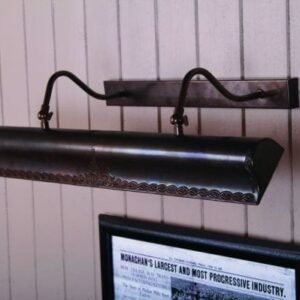
Traditional picture lights mount directly above or occasionally below the artwork, extending outward to cast light across the surface. These classic fixtures, often crafted in brass with antique, polished, or satin finishes, suit both traditional and contemporary interiors. Their adjustable arms allow you to direct light precisely where needed.
The Dublin and Spence ranges exemplify this approach. Available in multiple sizes from 19.5cm to 60cm, these solid brass fixtures accommodate everything from small prints to large canvases. Their timeless design adds architectural interest while serving a practical function. Traditional picture lights work particularly well with framed artwork in formal settings like dining rooms, studies, and hallways.
Adjustable Wall Spotlights
When you need maximum flexibility, adjustable wall spotlights provide the solution. Unlike fixed picture lights, these fixtures swivel and adjust to illuminate artwork at various heights and positions. This versatility makes them ideal for gallery walls, rotating displays, or spaces where you frequently change artwork.
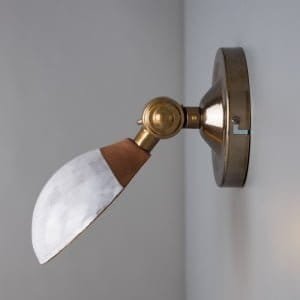
The Coco ceramic collection represents innovative thinking in adjustable lighting. Handcrafted in Ireland with ceramic shades in colours like Red Iron, Blue Earth, and Marbled finishes, these compact spotlights measure just 10.5cm wide. Their small profile means the fixture never competes with the artwork for attention, while the adjustable brass swivel ensures precise light direction.
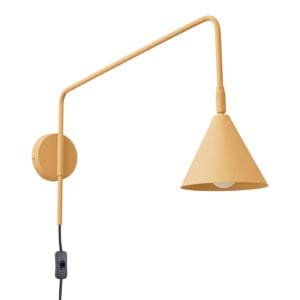
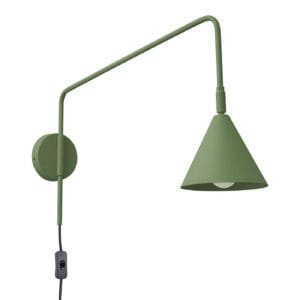
The Lyx, Reznor, and Nico adjustable poster lights offer industrial styling with modern functionality. Their mechanical aesthetic suits contemporary art spaces, loft-style interiors, and anywhere you want the lighting fixture itself to contribute to the room’s design narrative. Available in various finishes including brass, black, and coloured options, they accommodate diverse interior styles.
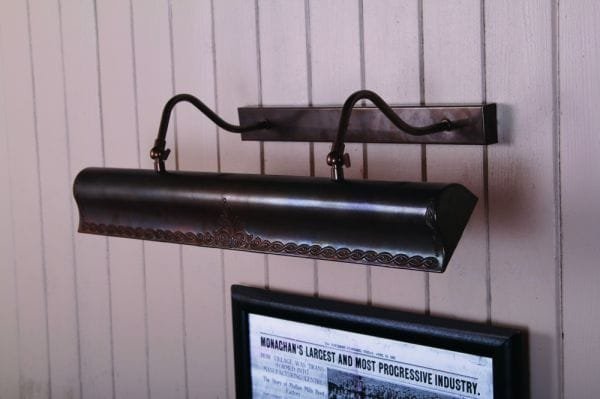
Spence 60cm Cast Brass Picture Light
The simply elegant design and style of the Spence 60cm Cast Brass Picture Light will add a distinct charm to any wall painting.
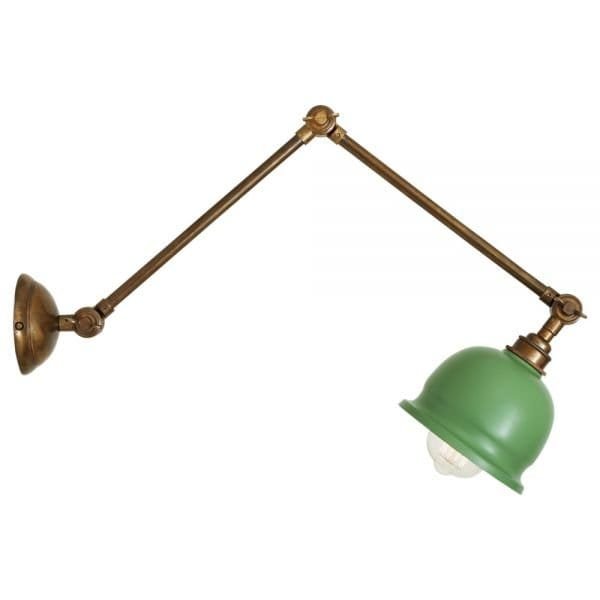
Coloured Adjustable Poster Light | The Nico
Versatile Design for Any Room
Industrial and Swing Arm Fixtures
Industrial-style picture lighting brings a different aesthetic to artwork display. Fixtures like the Rio, Rigale, and Porter lights feature mechanical elements, exposed joints, and vintage-inspired details that complement both traditional and modern art. Their adjustable arms provide functional flexibility while adding visual interest to the wall.
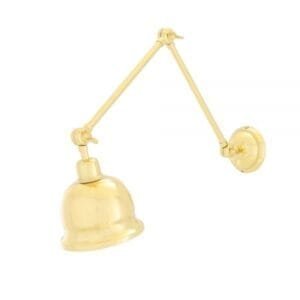
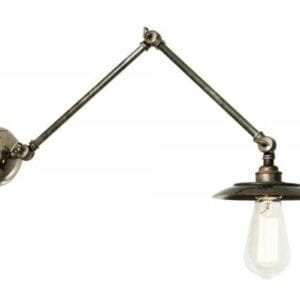
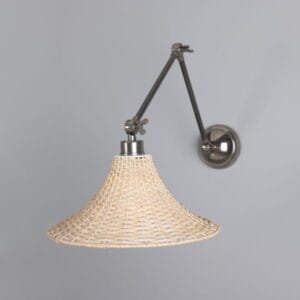
Swing arm fixtures like the Mesa, Denver, and Redding lights offer extended reach and positioning options. These work exceptionally well for artwork placed in alcoves, recessed walls, or locations where traditional picture lights cannot mount directly above the frame. The extended arm brings light exactly where you need it, regardless of architectural constraints.
Specialty Options
Certain situations demand specialized solutions. The Sanford Outdoor Sign Light, rated IP65, allows you to illuminate artwork in covered outdoor spaces, conservatories, or high-humidity environments like bathrooms. This opens up possibilities for extending your art display beyond traditional interior walls.
The Coco ceramic range, with its handcrafted shades and compact dimensions, excels at lighting smaller works, architectural details, and decorative objects. These fixtures work beautifully in tight spaces, above doorways, or highlighting textural elements like exposed brick, carved wood panels, or decorative mouldings.
Coloured and Decorative Options
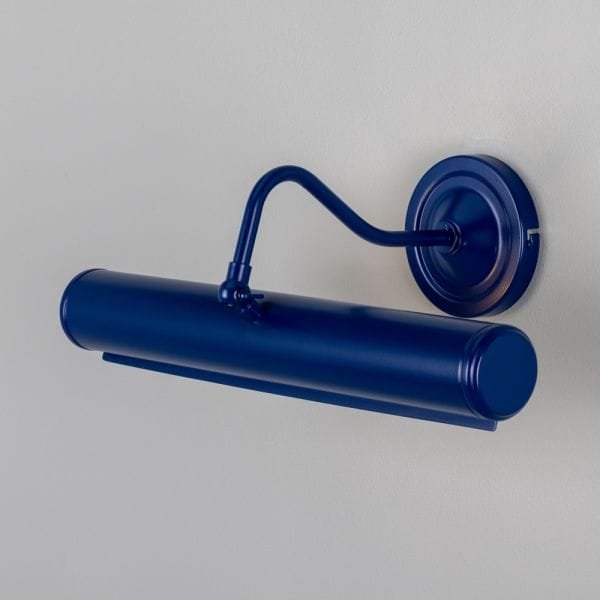
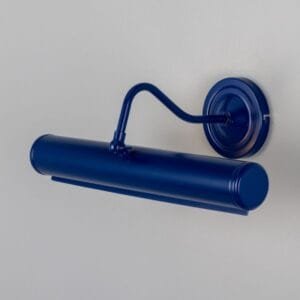
The Elle coloured picture lights introduce playful design possibilities. Available in nine vibrant finishes including Sapphire Blue, Racing Green, Antique Pink, and Vanilla Cream, these fixtures suit children’s rooms, creative studios, and contemporary spaces where the lighting fixture contributes to the overall colour scheme. The slim 35.5cm design provides practical illumination without visual weight.
CHOOSING THE RIGHT SIZE
Picture light sizing directly affects how well your artwork displays. The general rule suggests the picture light should span approximately two-thirds the width of the frame, though this varies based on frame size, artwork type, and personal preference.
For small prints and photographs up to 40cm wide, compact fixtures like the Small Spence (19.5cm) or the Coco adjustable lights provide adequate coverage without overwhelming the artwork. Medium-sized paintings from 40cm to 80cm wide pair well with 30cm to 35cm picture lights like the Spence 30cm or Elle 35.5cm models.
Larger artwork from 80cm to 120cm wide benefits from 50cm to 60cm fixtures. The Dublin 50cm, Spence 60cm, and Dublin 60cm lights offer the spread needed to illuminate substantial canvases evenly. For particularly large pieces or horizontal multi-panel displays, consider using two picture lights positioned symmetrically.
Beyond width, consider projection distance. The light should illuminate the entire artwork surface without creating hot spots or shadows. Adjustable fixtures provide more flexibility here, as you can fine-tune the angle even after installation. Fixed picture lights require more careful initial positioning but maintain consistent illumination over time.
PLACEMENT AND POSITIONING
Proper placement makes the difference between adequate and exceptional picture lighting. Traditional picture lights typically mount 15cm to 30cm above the frame’s top edge, angled down at approximately 30 degrees. This positioning illuminates the artwork evenly while minimizing glare on glass or varnished surfaces.
For textured paintings or works without glass, you can position the light closer to the frame for more dramatic shadowing that emphasizes brush strokes and surface texture. Conversely, works under glass benefit from slightly higher positioning and a gentler angle to reduce reflection.
Wall spotlights offer more positioning flexibility. Mount them at the same height as the artwork or slightly above, directing light across the surface. The adjustable nature of these fixtures means you can experiment with positioning to find the sweet spot that eliminates glare while providing even coverage.
Consider sight lines when positioning picture lights. The fixture should remain unobtrusive when viewing the artwork from the room’s main seating or standing positions. This sometimes means mounting the light slightly off-centre or using a side-mounted fixture rather than a traditional above-frame installation.
Room layout affects placement decisions. In hallways, centre the light above the artwork since viewers typically approach straight-on. In living rooms or dining rooms where people view art from various angles, consider multiple light sources or adjustable fixtures that accommodate different viewing positions.
LIGHT COLOUR AND BULB SELECTION
Colour temperature dramatically affects how artwork appears. Measured in Kelvin, this specification determines whether light appears warm, neutral, or cool. Most artwork displays best under warm white light (2700K to 3000K), which enhances reds, oranges, and earth tones while creating an inviting atmosphere.
Neutral white light (3500K to 4000K) suits contemporary art with cooler colour palettes and works well in modern interiors. Cool white light (5000K+) rarely serves picture lighting well, as it can make colours appear harsh and uninviting, though it might suit certain black and white photography displays.
LED technology has transformed picture lighting by eliminating the heat and UV radiation associated with traditional bulbs. This protects artwork from fading and damage while using less energy. Most picture lights accommodate standard E27, G9, or GU10 bulbs, allowing you to choose the specific colour temperature and brightness level that suits your artwork.
Dimmable bulbs add another layer of control. Evening lighting benefits from lower intensity that creates ambience without glare, while daytime viewing might require brighter output to compete with natural light. Installing picture lights on dimmer switches or using dimmable LED bulbs provides this flexibility.
Consider CRI (Colour Rendering Index) when selecting bulbs. A CRI of 90 or above ensures colours in your artwork appear accurate and vibrant. This matters particularly for oil paintings, watercolours, and photography where colour fidelity affects the viewing experience.
ROOM-BY-ROOM CONSIDERATIONS
Living Rooms and Dining Rooms
These formal spaces typically showcase your most significant artwork. Traditional brass picture lights in antique or polished finishes complement the room’s architectural features while providing sophisticated illumination. The Dublin and Spence ranges work particularly well here, their substantial presence matching the importance of the artwork they illuminate.
Consider artwork placement in relation to seating arrangements. Dining room paintings should be visible from the table but positioned to avoid glare when seated. Living room art benefits from lighting that works across multiple viewing angles as people move through the space.
Hallways and Staircases
Hallways present unique opportunities for creating gallery-like displays. The linear nature of corridors allows for multiple artworks with consistent lighting treatment. Adjustable fixtures like the Coco ceramic lights or the Lyx poster lights work well here, as hallway artwork often sits at varying heights due to stairway angles or architectural features.
Ensure adequate general lighting accompanies picture lights in hallways. The combination of ambient illumination and focused artwork lighting creates depth and prevents the space from feeling cave-like. This layered approach makes hallways feel more expansive and intentional.
Bedrooms
Bedroom artwork benefits from adjustable lighting that accommodates different times of day and moods. The Coloured Adjustable Poster Lights bring playful personality to children’s rooms, while sophisticated brass fixtures suit master bedrooms. Consider lights with dimming capability for bedrooms, as harsh evening lighting disrupts the room’s restful atmosphere.
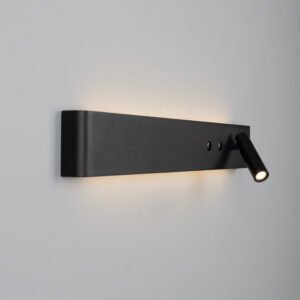
Bedside reading lights can double as picture lights when carefully positioned. The Burnaby LED Wall Light with USB-A port exemplifies this dual-purpose approach, combining practical reading light with artwork illumination. This efficient use of fixtures particularly suits smaller bedrooms where wall space comes at a premium.
Home Offices and Studies
Artwork in work spaces requires balanced lighting that doesn’t create screen glare or fatigue. Adjustable spotlights allow you to position light away from your sight line while working. The industrial styling of fixtures like the Rio, Porter, or Cairo models suits the functional aesthetic of home offices while adding visual interest.
Consider how artwork placement and lighting affect video calls if your office includes a webcam. Backlit artwork can create exposure problems, while well-lit pieces add professional polish to your background. Adjustable fixtures provide the flexibility to accommodate both your working needs and your video presence.
Bathrooms and Humid Spaces
Bathrooms rarely receive consideration for artwork display, yet they offer opportunities for creating spa-like sanctity. The Sanford Outdoor Sign Light, rated IP65, allows safe artwork illumination in these humid environments. This weatherproof fixture maintains the same aesthetic standards as indoor picture lights while meeting stringent moisture resistance requirements.
When displaying artwork in bathrooms, ensure frames and materials can handle humidity. Glass-fronted prints fare better than unprotected canvases or paper. Position artwork away from direct shower spray while maintaining good sight lines from the bath or vanity. The investment in proper lighting and display transforms a functional space into a personal gallery.
Picture & Poster Light Collection

NOX Wall Light – Gold
£64.13Dublin 60 cm Solid Brass Picture Light
£269.28Elle 35.5cm Coloured Picture Light
£137.28Dale Adjustable Poster Light
£195.36Burnaby LED Wall Adjustable Reading Light with USB-A Port
£126.72Small Spence Cast Brass Picture Light
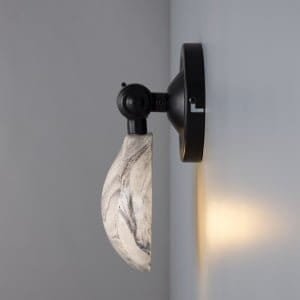
£232.00Coco Adjustable Marbled Ceramic Wall Light
£123.55Reznor Adjustable Poster Light
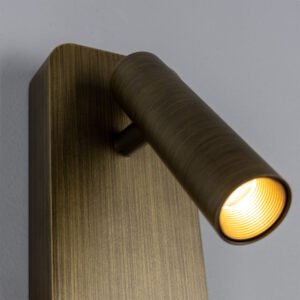
£168.96NOX Wall Light – Olive Green
£64.13


INSTALLATION CONSIDERATIONS
Most picture lights require hardwiring into your home’s electrical system, necessitating professional installation unless you possess electrical qualifications. The process involves running cable through the wall, connecting to the electrical supply, and mounting the fixture securely. This permanent installation provides the cleanest aesthetic and most reliable operation.
Some modern fixtures offer plug-in options or battery operation, though these remain less common for picture lighting. The visible cord from plug-in models can detract from the clean gallery aesthetic, though clever routing behind frames or mouldings can minimize this issue.
When planning installation, consider picture light placement in relation to electrical supply. Ideally, the power source sits directly behind where the light will mount, minimizing visible cable runs. If running new electrical supply, discuss optimal positioning with your electrician before committing to artwork placement.
Wall construction affects installation approach. Solid walls require drilling and plugs to secure fixtures, while stud walls need mounting into the wooden frame behind plasterboard. Picture lights can be surprisingly heavy, especially brass fixtures with substantial arms, so secure mounting matters both for safety and longevity.
Allow proper clearance behind the fixture for ventilation, particularly if using traditional rather than LED bulbs. Even cool-running LEDs benefit from air circulation. This consideration particularly matters for lights mounted on external walls where temperature differentials can cause condensation issues.
STYLING AND DESIGN INTEGRATION
Picture lighting shouldn’t exist in isolation but rather integrate thoughtfully with your room’s overall design. Brass finishes in antique, polished, or satin variations suit traditional interiors with warm wood tones and classical architectural details. The aged patina of antique brass complements oil paintings and gilt frames particularly well.
Modern spaces benefit from matte black fixtures, polished chrome, or contemporary ceramic designs. The Coco ceramic range with its handcrafted, organic aesthetic bridges traditional craft and modern design sensibility. These fixtures work equally well in minimalist Scandinavian interiors and eclectic bohemian spaces.
Consider how picture lights relate to other fixtures in the room. Matching metals between picture lights, door hardware, and other light fixtures creates cohesion, though perfect matching isn’t necessary. A thoughtful mix of finishes adds depth, provided you maintain consistent undertones (warm or cool metals rather than mixing both).
The fixture’s visual weight should balance with the artwork’s presence. Large, ornate paintings can carry substantial picture lights that would overwhelm delicate watercolours. Conversely, minimal line drawings might pair beautifully with slim, architectural lighting that honours the artwork’s restraint.
Think beyond single artworks to gallery walls and collections. Consistent lighting treatment across multiple pieces creates unity, while strategically varied lighting can establish hierarchy within a collection. This approach works particularly well in hallways or living rooms where numerous artworks share wall space.
MAINTENANCE AND CARE
Quality picture lights require minimal maintenance but benefit from periodic attention. Dust accumulation on fixtures and bulbs reduces light output and can create fire hazards over time. Every few months, switch off the power and carefully clean fixtures with a soft, dry cloth. Avoid harsh chemicals that might damage brass finishes or painted surfaces.
LED bulbs in picture lights typically last 15,000 to 25,000 hours, potentially years of daily use. However, when replacement becomes necessary, ensure new bulbs match the original colour temperature and beam angle. Inconsistent bulb specifications result in noticeably different light quality across fixtures.
Check mounting security annually, particularly for heavier brass fixtures. Vibration from doors closing or general building movement can gradually loosen fixings. Tighten screws and brackets as needed to prevent fixtures working loose over time. This simple maintenance prevents more serious problems later.
Brass fixtures develop patina naturally over time, particularly antique brass finishes. Some people appreciate this aging process as it adds character and authenticity. Others prefer maintaining the original finish through periodic cleaning with specialized brass cleaner. The choice depends on personal aesthetic preference and the fixture’s intended style.
Ceramic fixtures like the Coco range require gentle handling due to their handcrafted nature. The glazed surfaces clean easily with a damp cloth but can chip if knocked. The natural variation in handmade ceramics means no two fixtures are identical, adding unique character to each piece.
BEYOND ARTWORK – OTHER USES FOR PICTURE LIGHTS
While designed for illuminating artwork, picture lights serve numerous other purposes throughout the home. Mounted above mirrors in powder rooms or hallways, they provide flattering task lighting for grooming while adding decorative interest. The Dublin and Spence ranges work particularly well in this application, their substantial presence complementing mirror frames.
Display shelving benefits from dedicated lighting that highlights collections, books, or decorative objects. Adjustable fixtures like the Coco ceramics or industrial spotlights can be angled to illuminate individual objects, creating museum-quality display in your home. This approach works beautifully in living rooms, studies, and dining rooms where collections deserve showcasing.
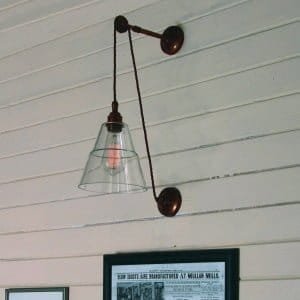
Architectural features gain emphasis through strategic lighting. Exposed brick walls, timber beams, stonework, and decorative mouldings all respond well to grazing light that emphasizes texture and depth. The Rigale pulley light or adjustable spotlights excel at this application, their flexibility allowing precise positioning to achieve desired effects.
Doorways and passages transform with flanking picture lights that mark transitions between spaces. This technique, borrowed from commercial and hospitality design, adds gravitas to everyday movements through your home. Paired lights either side of a doorway create symmetry while providing practical illumination.
Plants and botanical displays benefit from dedicated lighting that emphasizes their forms and colours. While picture lights shouldn’t replace grow lights for plant health, they can supplement natural light while creating beautiful evening displays. The warm light from LED picture lights creates inviting ambience around indoor plants and floral arrangements.
QUALITY AND LONGEVITY – THE IRISH MADE DIFFERENCE
The picture lights in this collection come primarily from Mullan Lighting, handcrafted in their restored factory in Ireland. This manufacturing approach prioritises quality over quantity, with each fixture receiving individual attention during production. The brass components are cast and finished by skilled craftspeople who understand how small details affect both appearance and durability.
The Coco ceramic range exemplifies this commitment to craft. Each shade is handmade in Mullan’s ceramic studio, where artisans shape and glaze pieces individually. Natural variation in size, colour, and texture means no two lights are identical, adding unique character to each fixture. This handmade approach produces lighting that feels personal and considered rather than mass-produced.
Choosing quality picture lights represents investment in your home’s long-term enjoyment. Well-made brass fixtures develop beautiful patina over decades rather than degrading like plated alternatives. Solid construction withstands the test of time, remaining functional and attractive long after cheaper alternatives require replacement.
This investment also supports European manufacturing and traditional craft skills. Buying from makers like Mullan Lighting sustains skilled employment in rural communities and keeps craft knowledge alive for future generations. The story behind handcrafted fixtures adds intangible value beyond their functional purpose.
Consider lifecycle costs when comparing picture lights. While handcrafted fixtures carry higher initial costs than mass-produced alternatives, their longevity and timeless design means they never need replacing. The cost per year of ownership actually favours quality pieces, particularly when you factor in the enjoyment they provide daily.
GETTING STARTED – YOUR PICTURE LIGHTING PLAN
Creating an effective picture lighting plan starts with inventory. Document the artwork you want to illuminate, noting dimensions, frame types, glass or no glass, and current positioning. Photograph each piece in its current location to reference lighting conditions and viewing angles.
Consider your priorities. Some artwork demands immediate attention due to significance, value, or positioning in high-traffic areas. Others can wait for future phases. This prioritization helps manage budget and installation logistics while ensuring your most important pieces receive proper lighting first.
Measure carefully before selecting fixtures. Note frame widths, available wall space above or beside artwork, and distances to electrical outlets or junction boxes. These measurements guide fixture selection and help your electrician plan installation efficiently.
Think about control options. Do you want picture lights on their own switches, combined with room lighting, or independently dimmable? These decisions affect electrical planning and should be discussed with your electrician before work begins. Smart lighting systems offer sophisticated control but require compatible fixtures and infrastructure.
Budget realistically for both fixtures and installation. Professional electrical work forms a significant portion of picture lighting costs, particularly if running new circuits. However, this investment provides safe, reliable operation and the clean aesthetic that makes picture lighting worthwhile.
SHOP THE RANGE
Browse our complete collection of picture and poster lights to find fixtures that suit your artwork and interior style. From traditional brass picture lights to innovative ceramic adjustable spotlights, each fixture combines quality materials, thoughtful design, and reliable performance.
Traditional Picture Lights: Dublin range (50cm, 60cm), Spence range (19.5cm, 30cm, 60cm), Elle brass and coloured (35.5cm)
Adjustable Spotlights: Coco ceramic collection (6 colourways), Lyx, Reznor, Nico coloured poster lights
Industrial Style: Rio, Rigale pulley, Porter, Cody, Manick adjustable wall lights – View Industrial Wall Lights
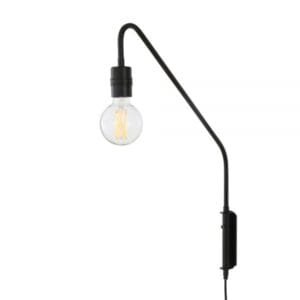
Swing Arm: Mesa vintage, Denver industrial, Redding minimalist, Manila and Savannah with rattan shades
Specialty: Sanford outdoor IP65, Belfast antique bronze, Dale adjustable, Apia swan neck
Every fixture is available in multiple finishes to coordinate with your interior metals and colour schemes. Handcrafted in Ireland with attention to detail that ensures lasting quality, these picture lights transform how you experience your artwork while adding architectural interest to your walls.
Spence 60cm Cast Brass Picture Light
£411.00Spence 30cm Cast Brass Picture Light
£316.80Small Spence Cast Brass Picture Light
£232.00Savannah Adjustable Arm Wall Light with Small Bell-Shaped Rattan Shade
£285.12Savannah Adjustable Arm Wall Light with Large Bell-Shaped Rattan Shade
£337.92Sanford Outdoor Sign Light IP65
£448.80San Jose Modern Wall Light
£123.55Rio Adjustable Industrial Wall Light
£403.92Rigale Coolie Industrial Pulley Wall Light
£237.60Richmond Backlit Wall Lamp with Adjustable Spot Light
£100.32Reznor Adjustable Poster Light
£168.96Redding Minimalist Swing Arm Wall Light
£163.68




FREQUENTLY ASKED QUESTIONS
How far above the frame should a picture light be mounted?
Traditional picture lights typically mount 15cm to 30cm above the frame’s top edge, though this varies based on artwork size and ceiling height. The goal is illuminating the entire artwork evenly without creating harsh shadows or hot spots. Adjustable fixtures offer more flexibility as you can fine-tune positioning after installation.
What colour temperature works best for artwork?
Warm white light (2700K to 3000K) suits most artwork, enhancing reds, oranges, and earth tones while creating inviting ambience. Neutral white (3500K to 4000K) works for contemporary pieces with cooler palettes. Avoid cool white light above 4000K as it can make artwork appear harsh and uninviting.
Do picture lights damage artwork?
Modern LED picture lights produce minimal heat and virtually no UV radiation, making them safe for artwork. Traditional incandescent and halogen bulbs generate more heat and UV, potentially causing fading over time. Always use LED bulbs in picture lights and position fixtures with adequate clearance for any heat dissipation.
Can picture lights work with other room lighting?
Picture lights work best when layered with ambient and task lighting. They shouldn’t be the sole light source in a room but rather supplement general lighting to highlight specific artworks. Consider placing picture lights on separate switches or dimmers so you can adjust them independently from room lighting.
What size picture light do I need?
The picture light should span approximately two-thirds the width of your frame, though this varies based on personal preference and artwork type. Small prints work with compact fixtures like the 19.5cm Spence, medium paintings suit 30cm to 35cm lights, and large canvases benefit from 50cm to 60cm fixtures. When in doubt, slightly larger typically looks better than too small.
Do I need an electrician to install picture lights?
Most picture lights require hardwiring into your electrical system, which in the UK must be performed by a qualified electrician or competent person under Building Regulations Part P. While some battery-operated or plug-in options exist, hardwired installation provides the cleanest aesthetic and most reliable operation.
How do I prevent glare on glass-covered artwork?
Position the picture light slightly higher and angle it more gently to reduce reflection on glass. Mounting 25cm to 30cm above the frame rather than 15cm to 20cm often helps. For particularly problematic glare, consider non-reflective or museum glass, or switch to adjustable spotlights that you can position to avoid the glare zone.
Can picture lights be used outdoors?
Most picture lights are designed for interior use only. However, the Sanford Outdoor Sign Light (IP65 rated) allows safe artwork illumination in covered outdoor spaces, conservatories, and high-humidity environments like bathrooms. Always check the IP rating before installing any light in damp or outdoor locations.
What’s the difference between picture lights, Poster Lights and spotlights?
Traditional picture lights mount above the artwork and extend outward to cast light down across the surface. Spotlights and Poster Lights typically mount on the wall at artwork height or slightly above, directing adjustable beams across the art. They all serve the same purpose but offer different aesthetics and positioning flexibility.
How long do LED picture light bulbs last?
LED bulbs in picture lights typically last 15,000 to 25,000 hours, potentially 10 to 15 years of normal daily use. When replacement becomes necessary, ensure new bulbs match the original colour temperature (usually 2700K to 3000K) and beam angle to maintain consistent light quality.